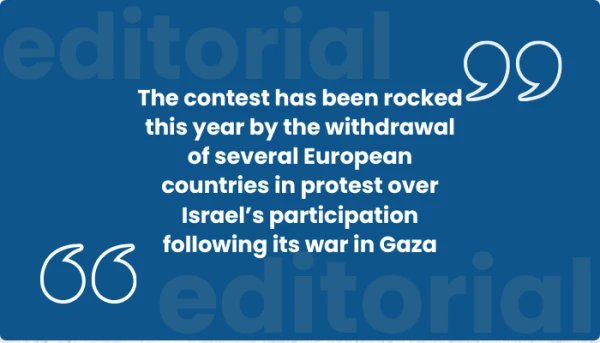
The Eurovision Song Contest, which began in 1956, has evolved over seven decades into a unique blend of music, national pride, and political expression. What started as a simple broadcast to unite post-war Europe has become a global spectacle known for its extravagant performances, catchy pop songs, and occasional geopolitical tensions.
Each year, participating countries submit original songs, and viewers vote for their favorites, often influenced by regional blocs, diaspora loyalties, and current events. The contest has seen victories that reflected broader political shifts, such as Israel's wins in 1978 and 1979, or Ukraine's triumph in 2016 amid conflict with Russia.
Beyond politics, Eurovision is a celebration of diversity and self-expression, with performers donning glittering costumes and staging elaborate shows. The event has launched international careers, including ABBA and Celine Dion.
As it marks its 70th edition in 2025, Eurovision remains a cultural phenomenon that captures the spirit of its time—showcasing both the unity and division of the continent through the universal language of music.