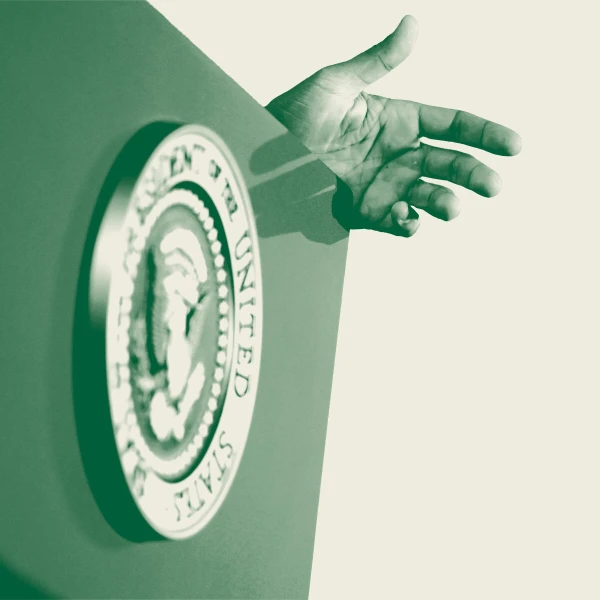
The 2026 midterm elections have ushered in a seismic shift in American politics, dismantling long-held partisan assumptions and redrawing the nation's electoral map in ways that few pundits predicted. With voter turnout surging across key battleground states, analysts are calling this the most significant political realignment since the Reagan era.
In a stunning reversal, traditional Democratic strongholds in the industrial Midwest swung decisively Republican, while suburban districts in the Sun Belt flipped blue. The election results signal a fundamental reordering of the country's political coalitions, driven by economic anxiety, cultural shifts, and a fractured media landscape.
"This is not just a typical midterm backlash," said Dr. Elena Martinez, a political scientist at Georgetown University. "We're witnessing a permanent restructuring of voter loyalties. The old rules no longer apply."
Exit polls revealed that working-class voters of all races moved away from the Democratic Party in droves, citing concerns over trade policy and inflation. Meanwhile, college-educated voters, particularly women, flocked to Democratic candidates in districts that had been reliably red for decades. The shift was most pronounced in the suburbs of Atlanta, Phoenix, and Dallas.
Control of Congress remains divided, with Republicans gaining seats in the Senate while Democrats managed to hold the House by a razor-thin margin. However, the real story lies in the demographic and geographic upheaval that has left both parties scrambling to adapt.
In the coming months, lawmakers will grapple with an uncertain policy landscape shaped by this new coalition calculus. For now, one thing is clear: the 2026 election has shattered the political map as we knew it.