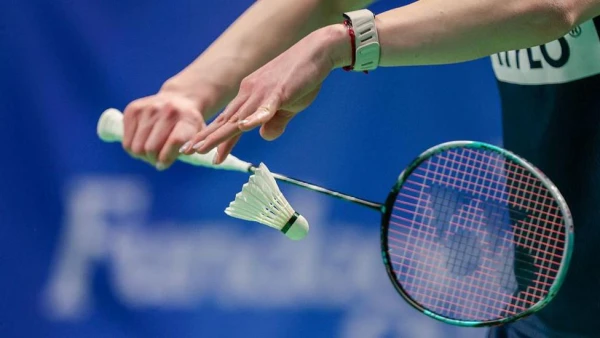
Badminton's global governing body has greenlit a groundbreaking trial of synthetic shuttlecocks in international tournaments, responding to a severe shortage of traditional duck and goose feathers that threatens the sport's supply chain.
Multiple factors have converged to create this crisis: devastating bird flu outbreaks, surging badminton popularity in China (where most shuttlecocks are produced), and shifting agricultural priorities as Chinese consumers return to pork following earlier swine fever disruptions. The China Animal Agriculture Association reports that duck and goose production has dropped 10% since 2019.
In response, the Badminton World Federation (BWF) will introduce synthetic shuttlecocks in grade three and junior international competitions as part of a comprehensive evaluation program. The trial aims to gather manufacturer performance data alongside feedback from players, officials, and event organizers.
"The trial will include the collection of manufacturer performance data, alongside feedback from players, technical officials, and event organizers," the BWF stated.
Traditional shuttlecocks require 16 precisely matched feathers—all taken from the same wing to ensure consistent flight and spin characteristics. This exacting standard makes production particularly vulnerable to poultry industry disruptions.
BWF Secretary General Thomas Lund acknowledged the global supply challenges, stating: "We are aware of the global supply chain challenges and subsequent increases in feathered shuttlecock prices impacting badminton communities around the world. Our testing and trialling programmes for synthetic shuttlecocks remain firmly part of our sustainability strategies for the future."
The move represents a significant shift for a sport that has relied on natural feathers for centuries, with the synthetic trial potentially paving the way for broader adoption at elite levels if performance proves comparable.