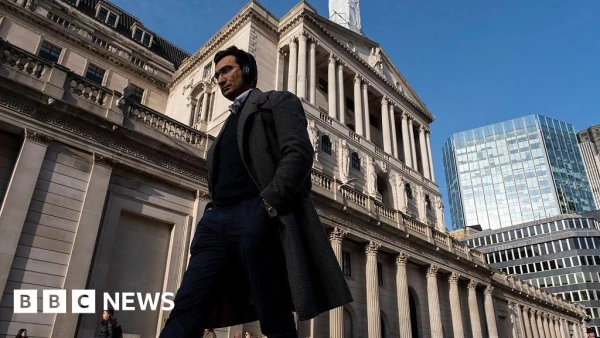
The Bank of England has signaled that interest rate cuts are off the table and that further increases are likely, as the ongoing crisis in the Gulf drives up energy prices and inflation. Governor Andrew Bailey acknowledged the severe impact on households, particularly those on lower incomes, as food and energy costs rise.
In its latest meeting, the Bank emphasized that much depends on how long the current geopolitical tensions persist. If oil prices remain at recent peaks, rates could exceed 5% this year. However, a swift resolution could help avoid further hikes.
Mortgage rates are already rising, with fixed-term deals expected to increase monthly payments by an average of £80. Over the next three years, more than half of mortgaged households will face higher costs as they roll off existing fixes.
The government is also feeling the pressure, as UK borrowing costs have become more volatile than those of other G7 nations. Bailey dismissed concerns about a UK-specific premium, noting that the pound's stability suggests the country is not uniquely affected.
Despite some signs of economic resilience, the Bank's message is clear: households and businesses should prepare for the possibility that the crisis could persist for months.