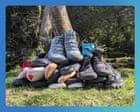
Barefoot shoes have evolved from a niche fitness trend into a mainstream footwear movement, offering a minimalist alternative to traditional shoes. Characterized by thin soles, wide toe boxes, and zero-drop designs that maintain equal height from heel to toe, these shoes aim to mimic the natural experience of walking barefoot while providing protection.
Advocates suggest multiple benefits, including strengthened foot muscles, improved posture, enhanced running form, and reduced pain in knees and lower back. The growing popularity reflects a broader cultural shift toward reconnecting with natural movement patterns.
After extensive testing of 15 different models across various activities—from daily commuting and gym workouts to hiking in Utah's Zion National Park—several standout performers emerged. The testing methodology involved practical, scenario-based evaluation rather than uniform testing, ensuring real-world relevance.
Top Recommendations:
- Overall Excellence: Vivobarefoot Primus Trail Knit FG impressed with its premium construction and versatility, though it may be too warm for year-round use in all climates.
- Budget-Friendly Option: The Saguaro Free I offers accessible entry into barefoot footwear without compromising core minimalist features.
- Running Specialized: Vibram FiveFingers V-Alpha provides the distinctive toe-separated design favored by many runners for its ground-feel and flexibility.
- Hiking Ready: Vivobarefoot Tracker Textile AT delivers durability and protection for trail adventures while maintaining barefoot principles.
- Comfort Focused: Freet Tanga 2 prioritizes all-day wearability with a balance of flexibility and support.
The testing experience, spanning three months of varied use, confirmed that modern barefoot shoes come in diverse styles suitable for different activities and fashion preferences. While transitioning from conventional footwear requires adjustment, many users report lasting benefits that make the switch worthwhile.