As temperatures rise, cats are at risk of heatstroke, a life-threatening condition. Unlike dogs, cats often hide their discomfort, making it crucial for owners to recognize early signs.
Signs of Heatstroke in Cats
- Excessive panting or drooling
- Restlessness or lethargy
- Bright red gums and tongue
- Rapid heartbeat
- Vomiting or diarrhea
- Stumbling or weakness
- Collapse or unconsciousness
If your cat shows any of these symptoms, immediate action is essential.
First Aid Steps
- Move your cat to a cool area – bring them indoors or to a shaded spot with a fan or air conditioning.
- Apply cool (not cold) water – use cloths soaked in cool water on their paws, ears, and belly. Avoid ice or very cold water as it can cause shock.
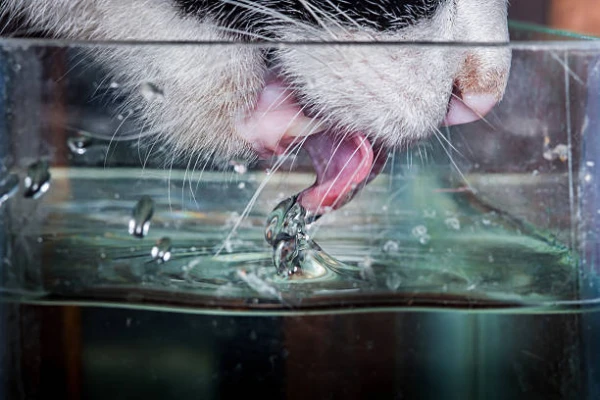
- Offer small amounts of cool water – let your cat drink slowly if they are conscious and able.
- Do not force water – if your cat is unconscious, do not pour water into their mouth.
- Monitor body temperature – use a rectal thermometer if possible. Normal cat temperature is 100.5-102.5°F (38-39°C). Seek veterinary care if it's above 104°F (40°C).
- Transport to a vet immediately – even if your cat seems to recover, internal damage may have occurred.
Note: Never leave your cat in a parked car, even with windows cracked, as temperatures can skyrocket within minutes.
Prevention is key: provide plenty of fresh water, shade, and avoid strenuous play during peak heat hours. With vigilance and quick action, you can protect your feline friend from the dangers of heatstroke.