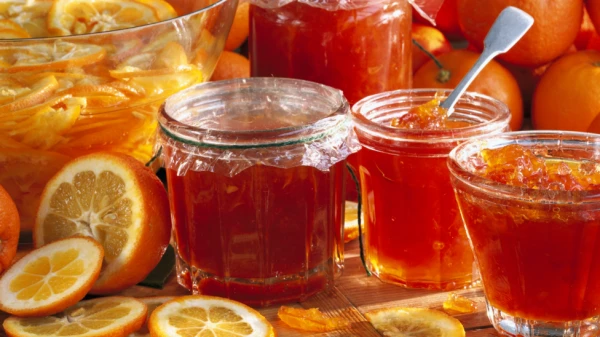
A beloved British breakfast tradition could soon sport new labels on supermarket shelves as part of the UK's post-Brexit trade arrangements with the European Union. The iconic marmalade jar may need to be rebranded as "citrus marmalade" under proposed regulatory changes.
This labeling adjustment stems from Brussels' decision to broaden the legal definition of marmalade across Europe. For decades, European regulations—incorporated into UK law before Brexit—restricted the term "marmalade" exclusively to preserves made from citrus fruits. Other fruit spreads were required to be labeled as "jam" or equivalent terms.
A UK government spokesperson emphasized that British marmalade itself "is not changing; it will still be the same product available in our shops as it is now." They added that the EU agreement aims to "support businesses by removing the costly red tape that holds back our exporters from our largest trading partner."
The original naming rules originated from British lobbying efforts in the 1970s to secure special commercial status for marmalade made from bitter Seville oranges—a concoction that gained global recognition through cultural icons like Paddington Bear. However, these regulations created linguistic confusion across Europe, where terms like "mermelada" in Spain and "marmellata" in Italy have traditionally described spreads made from various fruits, including plums and figs.
Now, with the UK's departure from the EU, Brussels has updated its regulations to allow all member states to market non-citrus spreads as "marmalade" starting this June. In response, citrus-based preserves must be distinguished with the new legal designation "citrus marmalade."
Northern Ireland was already scheduled to implement these changes this summer under the 2023 Windsor Framework, which maintains alignment with EU food laws. The UK government has now revealed that the updated marmalade regulations are among 76 revised EU food laws that would extend to England, Wales, and Scotland if the broader trade agreement proceeds.
The timeline for implementing these changes in Britain remains uncertain, with unclear whether updated rules must be in place before or after mid-2027—when Labour ministers hope the wider agreement will take effect. Regulatory authorities have not yet determined whether products like "strawberry marmalade" will be permitted in British supermarkets, as such allowances are not currently planned for Northern Ireland.
A previous assessment by the Department for Environment, Food & Rural Affairs (Defra) cautioned that relaxing labeling rules "could be confusing for UK consumers." The department declined to specify whether it intends to adopt such changes but confirmed it is consulting with affected businesses and will consider alignment "where it makes sense to do so."
Manufacturers are already responding to the impending changes. One producer told media outlets they had already renamed a product to comply with new regulations, while another anticipates needing to alter all their labels. However, traditionalists remain committed to preserving marmalade's citrus heritage.
Dalemain Mansion in Cumbria, host of the World Marmalade Awards since 2005, plans to continue restricting its competition to citrus-based spreads regardless of regulatory changes. Beatrice McCosh, director of the awards, stated the competition aims to uphold the standard for "rock solid British standard marmalade, the type which has been eaten for centuries from Elizabeth I to James Bond."
The extent to which consumers will notice differences on shop shelves remains uncertain. New regulations permit product descriptions containing specific citrus fruit names, such as "lemon marmalade," as alternatives. What's clear is that the long-standing relationship between Britain and its signature preserve is entering a new chapter of international trade dynamics.