British Steel must be nationalized by summer if ongoing negotiations between the UK government and its Chinese owner Jingye collapse, according to Scunthorpe MP Nic Dakin. The Labour politician emphasized that public ownership represents "the best outcome" for securing the company's future and attracting essential investment.
"I would hope that it's resolved as soon as possible, certainly by the summer," Dakin told the BBC. "In the short term, it needs to come into public ownership so that the business can make its own decisions about its future. And that future may well involve new investors or new owners."
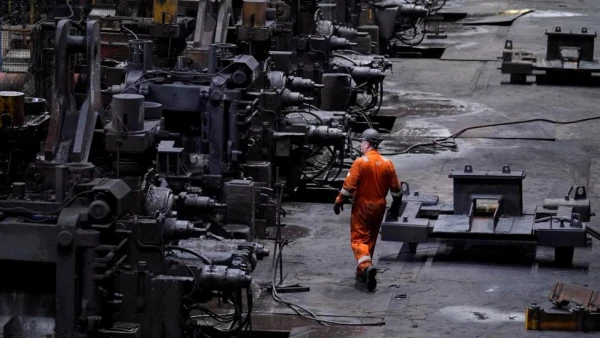
The government assumed control of the Scunthorpe plant—which employs 2,700 workers, roughly three-quarters of British Steel's workforce—in April 2025 through emergency legislation. This intervention prevented the closure of the site's last two operational blast furnaces. However, ownership remains with Jingye, creating what Dakin describes as an "unsustainable" arrangement.
Industry Minister Chris McDonald acknowledged the urgency, stating that British Steel "is of vital importance to the country," but declined to provide a timeline for resolving the ownership impasse. "No decision's been made on whether to nationalise the company," McDonald said. "If we can come to a good resolution with Jingye, then that will be the quicker and cheaper route to resolving the issue."
Workers express growing anxiety as uncertainty persists. Steelworker and union representative Thomas Smith highlighted the toll of prolonged instability: "We're a year on now. We're not really any further and we all want to know what's next." Smith advocates for nationalization, believing it would "give security to everybody" in Scunthorpe and recognize the industry's national significance.
Financial pressures add to the urgency. According to the National Audit Office, British Steel currently costs taxpayers approximately £1.3 million daily. Dakin argues these mounting expenses underscore the need for a swift, long-term resolution. "We need the owner and the controller to be the same entity so we can sort out a business plan and have the investment into the business," he explained.
Despite recent contract wins—including a major railway project in Turkey and a £500 million deal with Network Rail—analysts caution that these alone may not ensure long-term viability. Steel analyst Jonathon Carruthers-Green noted that while such agreements are "definitely a step in the right direction," investors will seek sustained momentum rather than isolated successes.
Dakin also framed the issue in terms of national security, citing the current geopolitical climate. With the summer deadline looming, the future of British Steel—and the thousands of jobs it supports—hangs in the balance as stakeholders await a decisive outcome.