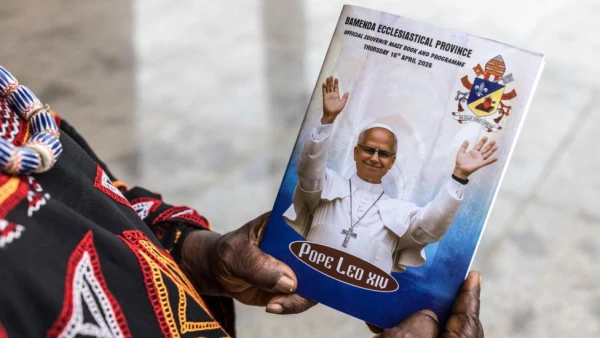
Anglophone separatist groups in Cameroon have announced a three-day suspension of hostilities to ensure safe passage during Pope Leo XIV's upcoming visit to the conflict-ridden region. The temporary ceasefire, declared by the Unity Alliance coalition of armed secessionist factions, begins on Wednesday to coincide with the pontiff's arrival.
In an official statement, rebel leaders described the pause as "a deliberate commitment to responsibility, restraint, and respect for human dignity" during what they called a "profoundly spiritual" occasion. The alliance emphasized that the papal visit should remain focused on pastoral and spiritual matters, warning against any political exploitation of the event.
"We will facilitate the movement of those celebrating the visit," the Unity Alliance declared, while urging the Cameroonian government to respect the temporary peace.
The Pope's itinerary includes Bamenda, the capital of Cameroon's North-West region and the epicenter of the nearly decade-long conflict between Anglophone separatists and government forces. The violence has claimed at least 6,000 lives and displaced countless civilians from their homes.
Cameroonian authorities have implemented extensive security measures for the visit but have not formally responded to the separatists' ceasefire announcement. Government officials confirmed that all papal event venues will be accessible to the public free of charge.
Pope Leo's Bamenda schedule features a peace-focused gathering at Saint Joseph's Cathedral, representing the Catholic Church's symbolic effort to foster reconciliation in one of Africa's most protracted conflicts. This stop forms part of the pontiff's broader 11-day African tour, which includes Algeria, Angola, and Equatorial Guinea.
With over 288 million adherents across the continent—representing more than one-fifth of global Catholicism—Africa holds particular significance for the Vatican. Pope Leo's journey marks only his second major international trip since ascending to the papacy last year, underscoring the region's growing importance within the Catholic world.