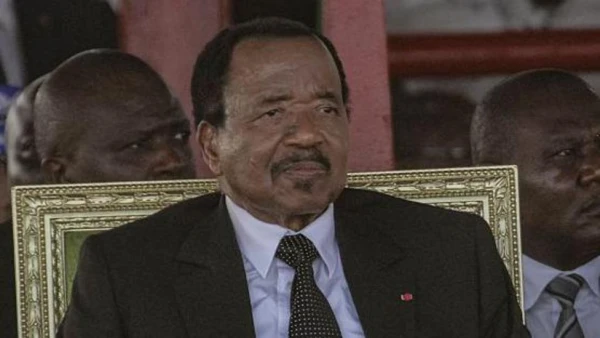
Cameroon's President Paul Biya, the world's oldest sitting leader at 93, is poised to appoint a vice-president for the first time during his 43-year rule, following constitutional amendments approved by parliament.
Should anything happen to Biya, the vice-president will automatically assume the presidency and complete the current seven-year term before any new election is held.
A joint parliamentary session on Saturday passed the bill with 200 votes in favor, 18 against, and four abstentions. The legislation now awaits Biya's signature to become law.
The position of vice-president was abolished in 1972 when Cameroon transitioned from a federal system to a unitary state. Under the previous constitution, the Senate leader would temporarily assume power if the president died or became incapacitated, with an election to follow shortly after.
Opposition parties have criticized the amendments as hastily drafted and lacking broad consultation. The Social Democratic Front (SDF), which holds six parliamentary seats, boycotted the vote entirely.
"This constitutional reform could have been a moment of political courage, but it is nothing less than a missed historic opportunity," said SDF chairman Joshua Osih.
Maurice Kamto of the Cameroon Renaissance Movement went further, calling the changes a "constitutional and institutional coup" and announcing plans for an online campaign to protest what he described as an attempt to create a "republican monarchy."
Supporters argue the new position will enhance government efficiency by providing clearer representation when the president is unavailable and allowing the Senate to focus on legislative duties rather than succession concerns.
The constitutional shift comes amid ongoing speculation about Biya's health and succession plans. The president, who has led Cameroon since November 1982, won an eighth term last October with 53.7% of the vote in an election the opposition claims was rigged.
With the amendments passed, national attention has turned to who might be appointed as Cameroon's first vice-president in over half a century, marking a significant shift in the country's political landscape as it prepares for a future beyond its long-serving leader.