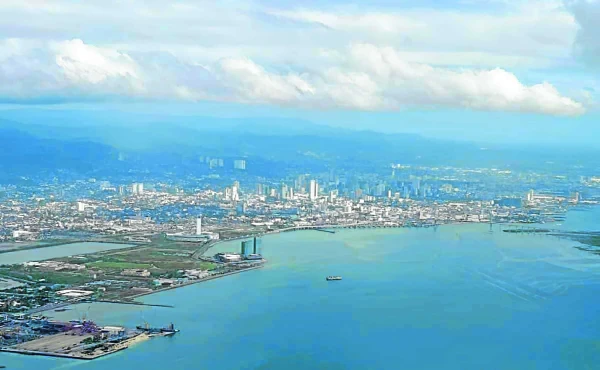
Despite broader economic challenges gripping the Philippines—including slowing growth, rising inflation, and tighter monetary policy—Cebu's property sector continues to demonstrate remarkable resilience.
Recent data highlights the pressures facing the national economy, with the Philippine Statistics Authority reporting economic growth slowing to 2.1 percent in the third quarter alongside a 7.8 percent inflation rate in October. Compounding these issues, unemployment climbed to 5.4 percent in September, leaving nearly 2.86 million Filipinos without work. In response to mounting inflationary pressures, the Bangko Sentral ng Pilipinas raised its policy rate to 5.5 percent, driving up borrowing costs for both developers and homebuyers.
While high interest rates and elevated construction costs typically stifle real estate activity, Cebu's property market has held its ground. Office rents in the region ticked upward to 650 pesos per square meter by mid-2026, up from 635 pesos the previous year, despite an 18 percent vacancy rate.
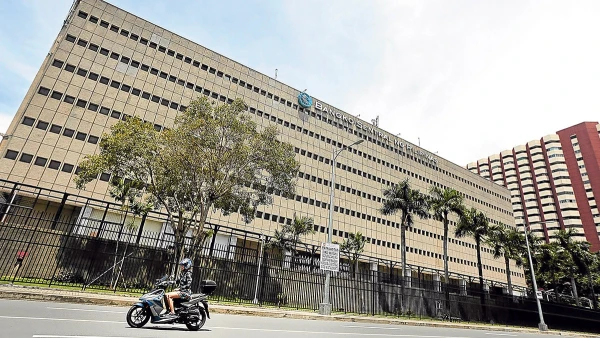
Residential property indicators similarly reflect sustained strength. Data from the central bank's Residential Property Price Index show that Metro Cebu home prices posted steady gains, rising 11.5 percent in the second quarter of 2025, 7 percent in the fourth quarter, and 9.4 percent in the first quarter of 2026, before experiencing a minor 0.2 percent dip in the subsequent quarter. Furthermore, the median price for bank-financed housing in Metro Cebu climbed to 4.17 million pesos by the second quarter of 2026, underscoring continued demand in the local property landscape.