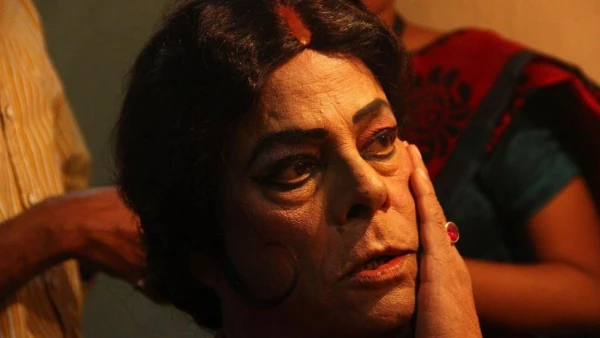
In the vibrant cultural landscape of mid-20th century Bengal, a remarkable performer captivated audiences by defying traditional gender roles. Chapal Bhaduri, celebrated as Chapal Rani, emerged as the undisputed "queen" of jatra—a traveling theater tradition that once drew massive crowds across eastern India.
'Femininity was always a part of me,' Bhaduri reflected, encapsulating the essence of his transformative performances.
Jatra, rooted in epic storytelling and devotional themes, featured male actors known as purush ranis (male queens) portraying female characters long before women entered the profession. Bhaduri, born in 1939 to stage actress Prabha Devi, began his career at 16, quickly distinguishing himself with his "girlish manners" and voice. On stage, he embodied queens, courtesans, goddesses, and brothel madams with meticulous grace, using improvised materials like rags and sponge to craft his feminine silhouette.
His artistry went beyond mere impersonation. As writer Sandip Roy notes in the new book Chapal Rani: The Last Queen of Bengal, "In Indian performing art where playing gay or queer was in the form of characters who are ridiculed, Chapal morphed into a woman and played his roles with honesty and an act of bravery."
Offstage, Bhaduri navigated a complex personal life in a conservative society. He maintained a three-decade relationship with a partner who married and had children, yet he remained steadfast in his principles: "I refuse to apologise for love." Despite admiration from fans and occasional proposals, he lived largely on the margins, eventually working as a cleaner and even performing as the folk goddess Sitala on streets for small offerings.
The cultural shift that ultimately ended his reign was bittersweet. As women began taking stage roles in the 1960s and 1970s, audiences rejected male actors in female parts. Bhaduri experienced this firsthand when he was booed offstage and struck by a thrown cup. Many of his contemporaries faded into poverty or obscurity, their stories largely unrecorded.
Recent years have brought renewed attention to Bhaduri's legacy. Filmmaker Kaushik Ganguly cast him in films, while publisher Naveen Kishore documented his life through exhibitions and documentaries. For India's emerging LGBTQ+ movement, Bhaduri became an unexpected elder figure—though he himself resisted labels like "third gender" and dressed conventionally offstage.
Now 88 and living in a retirement facility, Bhaduri's story offers profound insights into performance history where gender fluidity existed in practice long before contemporary conversations. His six-decade career challenges us to consider why some artists are remembered while others vanish, and how art forms themselves can disappear with their practitioners.
Roy's documentation of Bhaduri's journey not only preserves a vanishing chapter of Indian theater but also illuminates the complex intersections of art, identity, and memory in a changing world.