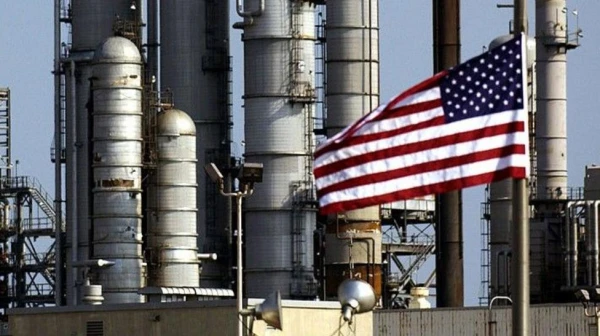
Chevron's massive oil refinery in Pascagoula, Mississippi—the company's largest US operation—is now processing significant quantities of Venezuelan crude, a strategic move that executives say could eventually lead to cheaper gasoline for American drivers.
"This is a significant development not just for Chevron but for the entire Gulf Coast region," explains Tim Potter, director of the Pascagoula facility. As the sole major US oil company currently operating in Venezuela, Chevron has a unique advantage: it can extract its own Venezuelan oil, refine it domestically, and deliver it directly to US consumers.
"The refinery was specifically designed and optimized to process heavy oils like those from Venezuela," Potter notes. "That gives us a strong incentive to utilize this supply."
Venezuelan crude presents both challenges and opportunities. It's heavier, thicker, and higher in sulfur than many other oils—characteristics that make it more difficult and expensive to refine. However, its relative affordability on the global market makes it economically attractive for refineries equipped to handle it.
Chevron currently imports approximately 250,000 barrels of Venezuelan crude daily, according to Andy Walz, president of downstream, midstream and chemicals at the company. "We believe we can increase that volume by another 50%, potentially reaching 350,000 to 400,000 barrels per day from our Venezuelan operations alone," Walz states.
While Chevron stands alone among US companies in having extraction capabilities in Venezuela, other American firms purchase Venezuelan oil from domestic producers there. The US refining industry, comprising 132 facilities nationwide, relies on diverse crude blends, with nearly 70% of refining capacity operating most efficiently with heavier crude oils.
This increased Venezuelan supply comes as the US reduces its reliance on Middle Eastern oil, which accounted for only about 8% of imports in 2025. "The United States imports almost no oil through the Hormuz Strait and won't be taking any in the future—we don't need it," President Donald Trump declared in a recent primetime address, highlighting the nation's growing energy independence.
Yet at a Chevron fuel station just miles from the Pascagoula refinery, consumers feel little relief. "I hate it," says David McQueen, a retired Vietnam veteran living on social security. "The price has got to go down because I'm going down with it." McQueen suspects the government is withholding oil reserves to maintain high prices, despite abundant domestic resources.
Nearby, Donna fills her tank with $30 worth of fuel. "I'm driving less and spending less on other things," she explains. Her grandchildren live just hours away, but visits have become infrequent due to fuel costs. "You gotta do what you gotta do."
While gasoline prices in Mississippi remain below the national average, they've climbed significantly since before the Iran war, when fuel was nearly $1 cheaper per gallon. This disconnect between increased supply and persistent high prices stems from global market dynamics.
"Although we can access crude locally for this refinery, the overall pricing has increased because it's tied to world markets," Potter explains. Global oil market fluctuations affect the US just as they do other nations, despite America's status as the world's top oil and gas producer.
Chevron remains optimistic about the long-term benefits of its Venezuelan investment. "When conditions normalize, the additional supply from Venezuela should translate to lower prices for Americans," Walz predicts. "The current situation with the Iran war is temporarily masking these potential gains, but the future impact should be positive for consumers."
The Pascagoula refinery, engineered specifically for heavy Venezuelan crude, now represents a critical link in Chevron's strategy to stabilize US fuel supplies and potentially reduce prices—a promise that Mississippi drivers await as they continue paying at the pump.