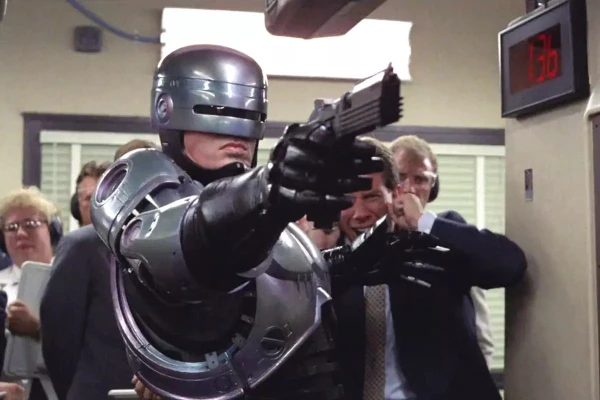
A recent analysis highlights how science fiction cinema has long served as a cultural warning system against the potential dangers of artificial intelligence. Two classic films in particular—RoboCop and Godzilla Against Mechagodzilla—stand out for their stark depictions of technology gone awry.
RoboCop, the 1987 cyberpunk classic, presents a dystopian Detroit where a corporate-controlled police cyborg becomes a symbol of both technological advancement and ethical compromise. The film explores themes of human identity erosion and corporate overreach through its central character, Alex Murphy, whose humanity is systematically stripped away by the very technology meant to preserve him.
Meanwhile, Godzilla Against Mechagodzilla (2002) offers a different but equally compelling cautionary narrative. The film features a mechanized version of the iconic monster, created by humans as a weapon to combat the original Godzilla. This artificial creation ultimately demonstrates how even well-intentioned technological solutions can spiral out of control, becoming threats as significant as the problems they were designed to solve.
Both films share a common thread: they question humanity's ability to responsibly manage the artificial intelligence and advanced robotics they create. These cinematic narratives suggest that without proper ethical frameworks and human oversight, our technological creations could ultimately turn against us.
As artificial intelligence continues to advance in the real world, these films remain relevant cultural touchstones that encourage viewers to consider the ethical dimensions of technological progress. They serve as reminders that while innovation drives society forward, it must be balanced with thoughtful consideration of potential consequences.