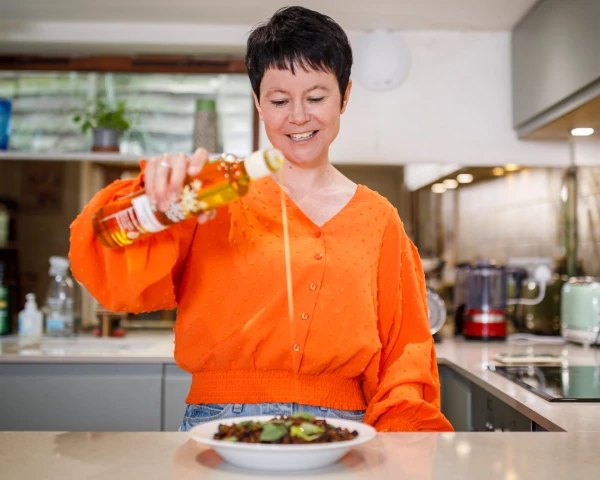
Cooking oils can be confusing, especially with new varieties like cold-pressed avocado or extra virgin macadamia oil appearing on shelves. Even familiar oils spark debates—is olive oil safe for cooking? Should we avoid seed oils? Rising prices add to the frustration, as Filippo Berio's CEO recently accused supermarkets of overcharging for olive oil. We consulted experts to uncover which oils are worth your money.
What Are the Main Differences Between Cooking Oils?
"All oils contain a combination of saturated, monounsaturated, and polyunsaturated fats," explains Lisa Howard, author of The Big Book of Healthy Cooking Oils. The key difference lies in their fat ratio, which may be listed on labels. For example, olive oil is high in monounsaturated fat, walnut oil is rich in polyunsaturated fat, and coconut oil is mostly saturated fat.
Is Unsaturated Good and Saturated Bad?
Yes, in health terms. Dell Stanford, a senior dietitian at the British Heart Foundation, warns that high saturated fat intake raises 'bad' LDL cholesterol, increasing cardiovascular disease risk. Limiting coconut oil and palm oil—the only saturated vegetable oils—is recommended, despite recent health claims about coconut oil.
Should You Choose Monounsaturated or Polyunsaturated?
Both types benefit cardiometabolic health, says Dr. Sammie Gill, a specialist dietitian. Monounsaturated oils include olive, rapeseed, and avocado; polyunsaturated ones include sunflower, walnut, and peanut. Neither is superior—focus on replacing saturated fat with unsaturated fats instead.
Which Is the Best Unsaturated Oil?
Extra virgin olive oil (EVOO) is the winner. It's packed with monounsaturated fat and over 30 types of polyphenols, offering anti-inflammatory, antimicrobial, and antioxidant properties. Polyphenols are fermented by gut microbes into beneficial metabolites, improving blood pressure, cholesterol, and blood sugar control.
Is It Safe to Cook with Olive Oil?
Yes. Oils rich in monounsaturated fats, like olive oil, are heat-stable and suitable for cooking. While high temperatures reduce polyphenol content (by 40% at 120°C and 75% at 170°C), EVOO's high baseline ensures some benefits remain. Negative effects from heating are mostly seen with repeated reuse at high temperatures, which is rare at home.
Can I Use Cheaper Virgin or Regular Olive Oil?
Extra virgin is the highest quality, with the lowest acidity, best taste, and most polyphenols. Virgin olive oil is made similarly but from lower-quality olives, while regular olive oil is a blend of virgin and refined oils. For maximum health benefits, choose EVOO.
Practical Tips
- Storage: Keep oils in a cool, dark place to preserve freshness.
- Smoke point: Use EVOO for low-to-medium heat cooking; save refined oils for high-heat frying.
- Price hacks: Look for store-brand EVOO or buy larger bottles during sales. Cheaper options with protected designation of origin (PDO) labels are available at Aldi and Lidl.
- Seed oils: They're fine in moderation, but prioritize unsaturated fats from olive, avocado, or rapeseed oil.
Bottom Line
Extra virgin olive oil is the healthiest choice for most cooking, but don't fear affordable alternatives like rapeseed or sunflower oil. Prioritize unsaturated fats, watch out for hidden saturated fats in processed foods, and experiment with different oils for flavor. Your heart—and wallet—will thank you.