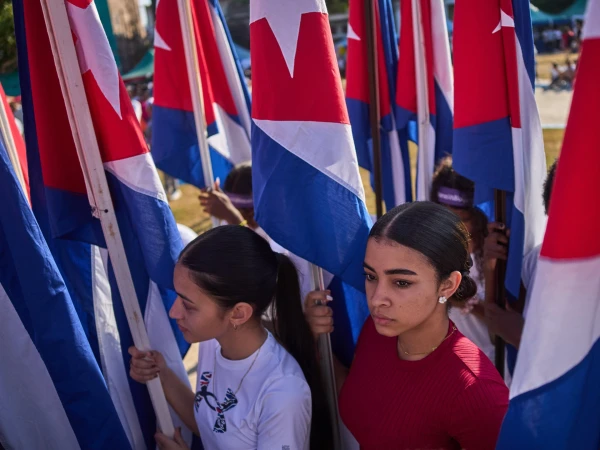
In a series of recent demonstrations, Cuban women have taken to the streets to protest what they describe as a "policy of abuse"—the longstanding US energy embargo that restricts oil shipments to the island.
The protests, organized with government support, highlight the ongoing humanitarian impact of the blockade, which activists say exacerbates daily hardships for Cuban families. Demonstrators marched through Havana and other cities, calling on Washington to lift restrictions that prevent vital fuel supplies from reaching Cuba.
"We are marching for our children, for our elders, for everyone who suffers because of this unjust policy," said one protester, echoing the sentiment of many participants.
The energy shortage has led to frequent power outages and transportation disruptions across Cuba, affecting hospitals, schools, and households. Protest organizers argue that the embargo violates international law and basic human rights, urging the US to reconsider its stance amid global energy crises.
While US officials have maintained that the policy aims to pressure Cuba on human rights and democratic reforms, protesters counter that it primarily harms ordinary citizens. The marches reflect growing public frustration as Cuba grapples with economic challenges compounded by the embargo.