In a high-stakes operation shrouded in secrecy, U.S. special forces successfully rescued a missing airman from a remote mountainous region of Iran after his F-15E Strike Eagle fighter jet was shot down. The dramatic mission, involving dozens of personnel, advanced aircraft, and critical intelligence work, marks the first time a U.S. fighter has been downed by enemy fire in over two decades.
"We have rescued the seriously wounded, and really brave, F-15 Crew Member/Officer, from deep inside the mountains of Iran," U.S. President Donald Trump announced on social media, vowing that America would "NEVER LEAVE AN AMERICAN WARFIGHID BEHIND!"
The airman's ordeal began on Friday when the jet, carrying two crew members, was hit over southern Iran. While the pilot was rescued the same day, the weapons systems officer ejected separately and remained missing, triggering a tense race against time.
Iran quickly made its intentions clear, offering a substantial bounty for the airman's capture alive. Unverified videos circulated online appeared to show armed civilians joining the search. On the ground with only a handgun for defense, the stranded officer followed survival training: activating his beacon signal, seeking high ground, and establishing communication while concealing himself in a mountain crevice.
According to U.S. media reports, the Central Intelligence Agency (CIA) played a pivotal role. Intelligence operatives tracked the airman's precise location and orchestrated a deception campaign within Iran, spreading false information that he had already been found to mislead pursuers.
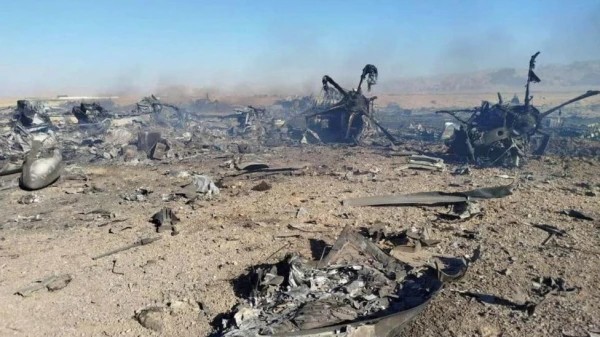
As U.S. special forces maneuvered toward the location after nightfall—a tactical advantage noted by former military officials—supporting aircraft used bombs and weapons fire to create a protective perimeter against approaching Iranian troops. The operation faced significant hurdles; reports indicate two transport planes intended for the rescue were destroyed at a remote base to prevent capture, forcing crews to use three additional aircraft.
Iran presented a conflicting narrative, claiming its forces shot down a U.S. drone during the search and destroyed several U.S. aircraft, including C-130 transports and Black Hawk helicopters. A military spokesman declared the U.S. mission a "decisive and disgraceful defeat." Footage verified by analysts showed smoldering wreckage in a mountainous area southeast of Isfahan, though the exact circumstances remain unconfirmed.
The rescue concluded just before midnight U.S. time on Sunday, with the injured airman evacuated to Kuwait for medical treatment. His identity and precise rescue location have not been disclosed.
While the mission succeeded in its primary objective, analysts note the loss of advanced aircraft deep in hostile territory highlights the risks and limitations of such operations. As one former commander remarked, the cost of equipment is secondary to the unwavering commitment to recover personnel: "It takes a year to build an aircraft—it takes 200 years to build a military tradition where you don't leave anybody behind."