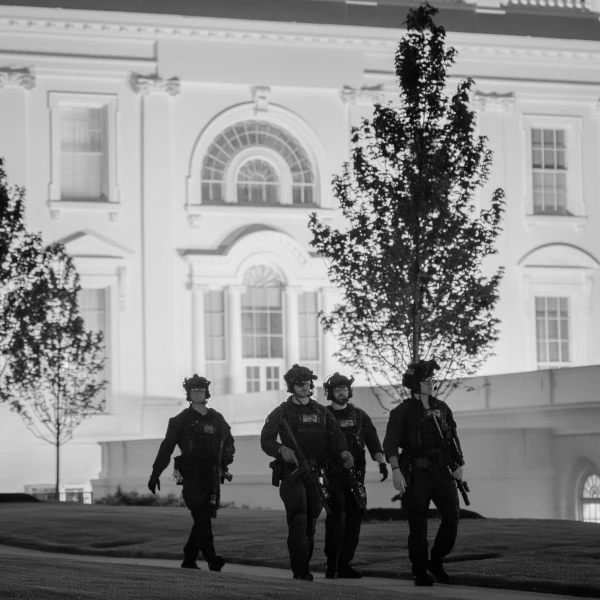
In the wake of a brazen assassination attempt on a prominent political figure, a chilling calculus has taken hold among strategists and security officials. The attack has not only shattered the veneer of safety but also forced a grim reassessment of campaign logistics and public engagement.
Security experts now face the daunting task of balancing open democracy with the need for heightened protection. The incident has sparked debates about the accessibility of politicians and the effectiveness of current security measures.
For the political machine, the immediate focus is on damage control and demonstrating resilience. However, behind the scenes, a more somber analysis emerges: every public appearance now carries a calculated risk, and the cost of security is set to skyrocket. This new reality threatens to transform the nature of political campaigning, potentially limiting direct voter contact and altering the very fabric of democratic participation.
As investigations continue, the political world watches closely, understanding that the aftermath of this event will define security protocols for years to come.