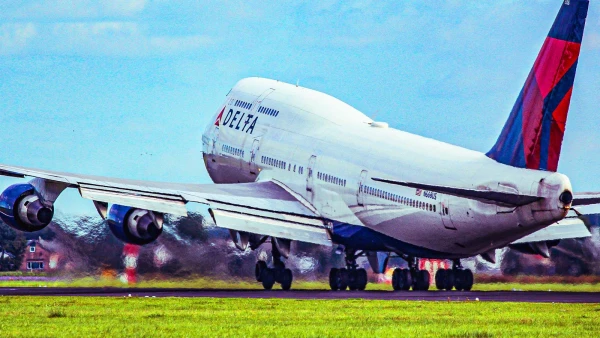
In the annals of aviation history, few aircraft command the reverence of the Boeing 747. Known affectionately as the "Queen of the Skies," the jumbo jet once dominated global travel with its unmatched size and luxury. Delta Air Lines, however, believed it had closed that chapter in 1977—until a corporate merger forced the airline to confront its past.
Delta first welcomed the 747 into its fleet in 1970, the same year the aircraft debuted. The airline acquired five of the early-model 747-100s, each boasting innovations like the world’s first flying penthouse suite above First Class and personal audio systems with seven-channel music. Yet despite its groundbreaking features, the 747 proved too cumbersome for Delta’s domestic routes. With a maximum takeoff weight of 680,000 pounds and a capacity of 370 passengers, the aircraft routinely flew with just 100 to 200 travelers on board. The operating costs were simply unsustainable.
By 1977, Delta had phased out its 747s, replacing them with more efficient twinjet aircraft like the Lockheed L-1011. The airline’s farewell to the Queen of the Skies was bittersweet. Captain Beverly Dickerson, who piloted Delta’s first 747 service in 1970, also commanded its final flight that same year—a journey from Atlanta to Dallas to Los Angeles. The crew included some of Delta’s most experienced flight attendants, many of whom had served aboard the 747 since its introduction.
For decades, Delta moved on. The 747 faded from its fleet, replaced by smaller, more cost-effective widebodies like the Boeing 767. But in 2010, the airline’s past resurfaced—literally. Delta’s merger with Northwest Airlines, completed in 2008, brought an unexpected inheritance: Northwest’s fleet of 747s. Northwest had been a major operator of the aircraft, and 16 of its 747-400s were absorbed into Delta’s fleet.
The transition was not seamless. Delta had spent years distancing itself from the 747, and now it was saddled with an aircraft it had once deemed obsolete. Yet the merger’s scale—creating the world’s largest airline at the time—left little room for negotiation. Delta gradually retired the inherited 747s, but not before the aircraft once again left its mark on aviation history.
The 747’s legacy at Delta is a tale of ambition, adaptation, and the occasional twist of fate. From its pioneering penthouse suite to its eventual return via corporate consolidation, the Queen of the Skies proved that even the most definitive goodbyes can sometimes lead to unexpected reunions.