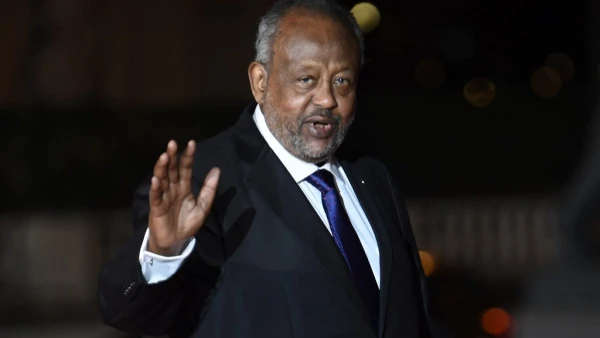
In a political landscape devoid of genuine competition, Djibouti's long-standing leader Ismail Omar Guelleh is poised to secure a sixth consecutive term in office. The upcoming elections in this strategically vital Horn of Africa nation appear to be more of a formality than a contested democratic process.
Guelleh, who has governed Djibouti since 1999, faces no substantial opposition as he prepares to extend his rule. The absence of credible challengers raises questions about the state of political pluralism in a country that hosts military bases for global powers including the United States, China, and France.
"This election cycle demonstrates the consolidation of power rather than a genuine democratic exercise," observed regional analyst Fatima Hassan. "The lack of viable alternatives leaves voters with minimal choice in determining their country's future direction."
Djibouti's strategic importance cannot be overstated—it controls access to the Bab el-Mandeb Strait, a crucial maritime chokepoint through which approximately 30% of global shipping passes. This geographic significance has made the country a focal point for international military presence and economic interest.
The political environment has grown increasingly restrictive in recent years, with opposition figures facing various constraints that limit their ability to mount effective campaigns. This has created what experts describe as a 'managed democracy' where electoral outcomes appear predetermined.
As Djiboutians prepare to cast their ballots, the real question isn't who will win, but what the continued consolidation of power means for governance, economic development, and international relations in this geopolitically critical nation.