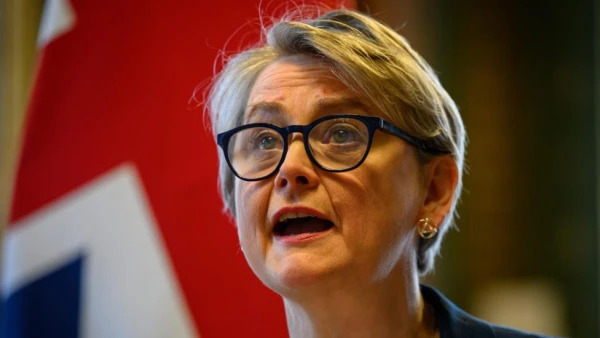
UK Foreign Secretary Yvette Cooper has issued a strong call for the immediate and unrestricted reopening of the Strait of Hormuz, a critical global shipping lane currently under threat from Iranian naval forces. Cooper emphasized that the route must remain toll-free, warning that any payments demanded by Iran would set a dangerous precedent for international trade.
"No country should be able to hijack international shipping routes in the way that Iran has," Cooper stated in an interview with BBC Breakfast. "It's vital we have international cooperation to maintain pressure for a full reopening—without tolls or restrictions."
The Strait of Hormuz, a narrow passageway between the Persian Gulf and the Gulf of Oman, typically handles one-fifth of the world's energy shipments. Recent threats from Iran, issued in retaliation for a US-Israel bombing campaign, have effectively closed the waterway. This blockade has triggered a spike in global crude oil prices, leading to increased costs for petrol and diesel and raising concerns about worldwide living expenses.
Cooper's remarks come as she prepares to deliver her annual speech on UK foreign policy priorities. She also urged for Lebanon to be "urgently included" in the recent US-Israel ceasefire agreement with Iran, expressing deep concern over escalating Israeli strikes in the region.
"We want to see Lebanon urgently included as part of the ceasefire, building on what's been announced," Cooper said. "We want to see an end to the hostilities in Lebanon."
While Pakistan and Iran have indicated the ceasefire covers Lebanon, where Israel is engaged in conflict with Iranian-backed Hezbollah, both Israel and the US have stated the two-week truce does not extend to Lebanese territory.
In a show of support for maritime security, Cooper is scheduled to visit the International Maritime Organization. Her visit follows a UK-chaired virtual summit last week involving over 40 nations, all of whom agreed that resolving the wider conflict is essential to reopening the strait.
Defence Secretary John Healey echoed Cooper's warnings, stating at a Downing Street press conference that implementing "pay for passage tolls" would establish a "potential principle that could be used and abused by others elsewhere."
The UK and its allies now face the complex challenge of contributing to the security of this vital waterway without becoming entangled in the broader regional war. The situation remains fluid as global leaders navigate the delicate ceasefire and its implications for international trade and stability.