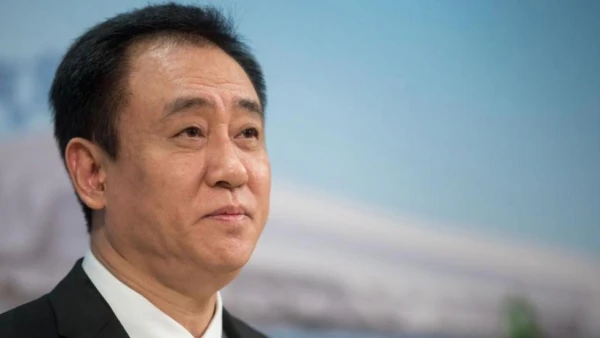
Hui Ka Yan, the founder of China's once-dominant Evergrande Group, has formally pleaded guilty to multiple financial crimes, including embezzlement and corporate bribery, during a public hearing in Shenzhen on April 13-14. The court has indicated it will deliver its verdict at a later date.
This admission represents a critical juncture in the aftermath of Evergrande's spectacular 2021 collapse, an event that sent shockwaves through China's real estate sector and the broader economy. The court proceedings revealed that the company misappropriated millions in pre-sale funds from homebuyers, diverting the money to new projects instead of completing existing ones, which left hundreds of properties unfinished across the nation.
Hui expressed remorse during the hearing, according to Chinese state media reports.
Hui, also known as Xu Jiayin, rose from modest rural beginnings to build a property empire that, at its peak, was valued at over $50 billion. Evergrande's aggressive expansion, fueled by an estimated $300 billion in debt, extended beyond real estate into electric vehicles, consumer goods, and even professional football.
However, the company's fortunes reversed dramatically when Beijing introduced stringent debt-control measures for the property sector in 2020. This policy shift exposed Evergrande's fragile financial structure, leading to a liquidity crisis, a 99% plunge in its share value, and its eventual delisting from the Hong Kong stock exchange in August 2025.
The fallout has been severe, contributing significantly to a prolonged property market downturn that continues to hinder China's economic growth. In a related regulatory action earlier this year, Hui was fined $6.5 million and permanently banned from China's capital markets for his role in the company overstating its revenue by a staggering $78 billion.
Once ranked as Asia's wealthiest individual with a fortune nearing $42.5 billion, Hui's guilty plea underscores the dramatic reversal for a tycoon whose company was emblematic of China's debt-fueled economic boom.