A former senior aide to Sir Keir Starmer has apologized to victims of Jeffrey Epstein over the controversy surrounding the appointment of Lord Mandelson as UK ambassador to the United States, admitting it was a "serious error of judgment."
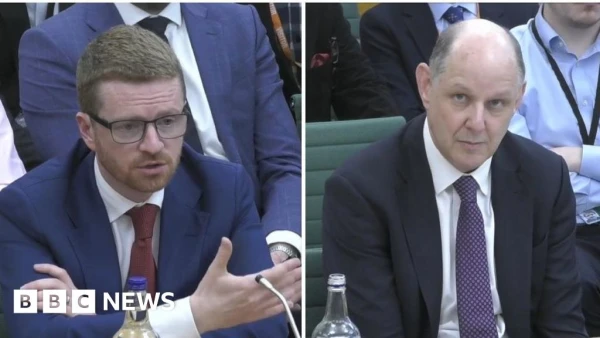
Morgan McSweeney, who served as Starmer's chief of staff from 2024 until February 2026, faced questions from MPs on the Foreign Affairs Committee about the vetting process for the diplomatic post. Former Foreign Office mandarin Sir Philip Barton also gave evidence.
Key revelations from the hearing:
No consultation on Mandelson appointment
Sir Philip said he first learned of the decision to appoint Lord Mandelson on 15 December 2024, five days before the prime minister's public announcement. Asked if he should have been consulted, Sir Philip noted the post was one of the UK's "major" diplomatic roles but described himself as "a bit conflicted" since it was a political appointment. He said there was "no space or avenue or mechanism" to express any concerns.
Concerns about 'toxic' Epstein links
Conservative MP Aphra Brandreth pressed Sir Philip on whether he would have flagged concerns about Lord Mandelson's ties to Epstein. He replied that the links "could become a problem" and described Epstein as "a toxic hot potato subject" in the US. He added that Donald Trump's team had been "happy" with incumbent ambassador Dame Karen Pierce and were "blindsided" by the appointment.
No 10 'uninterested' in vetting
Sir Philip agreed with a description of Downing Street as "dismissive" of the vetting process, offering instead the word "uninterested." He said the focus was on ensuring Lord Mandelson could start before Trump's inauguration, and no one asked him to ensure a "rigorous" vetting given the risks.
Pressure to get vetting done
Sir Philip partly backed claims of "constant pressure" from Downing Street, saying there was "absolutely" pressure to complete vetting within a specific timeline. "The top of the government is saying the prime minister has decided he wants Mandelson and he wants it done in that timescale, so that's what creates the pressure," he said.
Prime Minister Starmer has denied any pressure existed, but later acknowledged "different types of pressure" in an interview. McSweeney echoed this, telling MPs: "There's a real difference between asking people to act at pace and asking people to lower standards - and we never did that."
McSweeney admits 'serious error'
McSweeney began his evidence by apologising to Epstein victims for the distress caused. He said giving Lord Mandelson the job was "a serious error of judgment" and he had been "wrong" to advise the prime minister to do so. At the time, he said, he could "see pros and cons and I worried it could go wrong so I didn't try and push anything through."
'Knife through my soul'
McSweeney said he had initially believed Lord Mandelson's relationship with Epstein was "a passing acquaintance" rather than a close friendship. He described seeing photographs documenting a closer relationship as "like a knife through my soul." Lord Mandelson has apologised for maintaining the friendship but denied complicity in Epstein's crimes.
Would have been better to use ethics team
McSweeney revealed that he and then-director of communications Lord Doyle had asked Lord Mandelson about his Epstein links themselves. Looking back, he said: "I certainly think it would have been much, much better if I'd asked PET [the Propriety and Ethics Team] to ask those follow-up questions." He explained his thinking was that a senior staff member's written questions would elicit "the truth and the full truth," but added: "When I saw the emails and the pictures that came out... that's when it really dawned on me that I did not get the full truth from him."
Mandelson 'not some hero'
McSweeney rejected suggestions that he pushed for Lord Mandelson because the peer was his mentor, saying he had often angered friends by turning them down for jobs. "Lord Mandelson was not some hero I was trying to get a job for," he said. "My motives were always in the national interest."