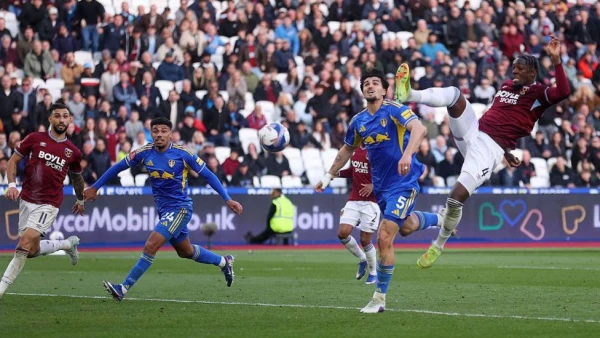
The FA Cup quarter-final between West Ham United and Leeds United on Sunday became the center of a heated debate over stoppage time protocols after referee Craig Pawson added an unprecedented 11 minutes of injury time.
While West Ham used this extended period to mount a dramatic comeback from 2-0 down—forcing extra time before eventually losing 4-2 on penalties—the decision stood in stark contrast to another high-profile match just a day earlier. In Manchester City's 4-0 victory over Liverpool, referee Michael Oliver added zero minutes of stoppage time despite multiple substitutions and goals.
"Social media erupted with questions about how Oliver could ignore standard stoppage time protocols while Pawson added such a significant amount," noted football analysts.
The discrepancy highlights a nuanced approach to injury time in cup competitions versus league matches. According to FIFA's head of referees, Pierluigi Collina, officials may shorten or eliminate added time in cup ties where the outcome appears definitively settled—a practice less acceptable in league games where goal difference remains crucial.
This isn't isolated to English football. Recent Champions League matches between Chelsea and Paris Saint-Germain, and Barcelona against Newcastle, also featured zero added time when aggregate scores were overwhelmingly decided.
Breaking down the West Ham-Leeds match reveals why Pawson's decision might have been justified:
- Three minutes for medical treatment to Adama Traore and Joe Rodon
- Two minutes for physio attention to Pablo and Jaka Bijol
- Three minutes for a penalty review via VAR
- One minute for Noah Okafor's injury assessment
While 11 minutes remains unusually high, the accumulation of legitimate stoppages provides context to what initially appeared to be an excessive decision. The incident underscores ongoing discussions about consistency in timekeeping across different competitions and match situations.