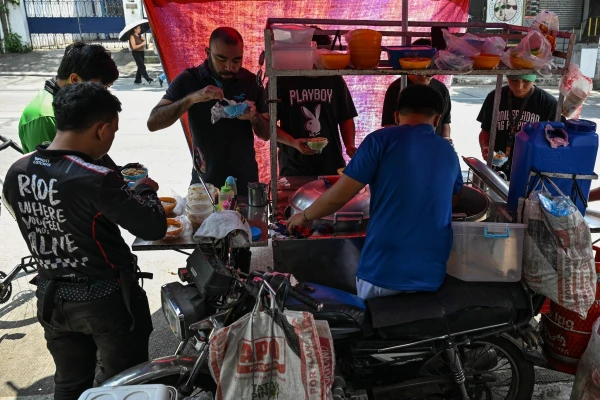
The ripple effects of the ongoing Middle East conflict are being felt thousands of miles away in the bustling streets of Manila, where local food vendors are grappling with rising costs and supply shortages.
Small-scale entrepreneurs, who rely on affordable ingredients to serve quick, traditional meals, report that key staples like cooking oil, flour, and certain spices have become significantly more expensive and harder to source. This price surge is directly linked to disruptions in global shipping routes and regional instability affecting production and export hubs.
"My profit from selling kwek-kwek (battered quail eggs) is almost gone," said Maria Santos, a vendor in Quiapo. "A liter of oil costs nearly double what it did last year. We either raise prices and lose customers, or absorb the cost and earn nothing."
The situation highlights the interconnected nature of the modern global economy, where a geopolitical crisis in one region can directly impact the livelihoods of informal workers in another. Analysts note that the Philippines, a net importer of many food items and raw materials, is particularly vulnerable to such external shocks.
Many vendors, already operating on thin margins, are now facing difficult choices. Some are reducing portion sizes, while others are substituting ingredients or limiting their operating hours to cut costs. The Philippine government has acknowledged the strain on micro-businesses and is reportedly assessing potential support measures, though concrete aid has yet to materialize for most street-level operators.
As the conflict persists with no clear end in sight, these small business owners brace for continued uncertainty, their daily struggles serving as a stark, ground-level illustration of war's far-reaching economic consequences.