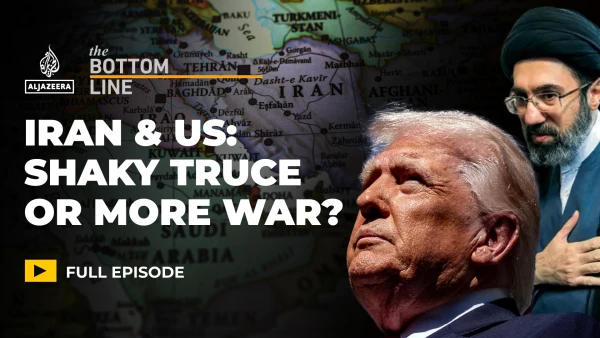
The recent ceasefire between Iran and the United States has sparked intense debate over its durability and potential consequences. While the agreement offers a temporary reprieve from hostilities, experts warn that underlying tensions remain unresolved, threatening to reignite conflict.
Analysts point to several factors that could destabilize the fragile truce, including unresolved nuclear negotiations, regional proxy conflicts, and domestic political pressures in both nations. The ceasefire's success hinges on diplomatic efforts to address these core issues, but progress has been slow and uncertain.
As international observers monitor the situation, the fundamental question persists: will this temporary calm evolve into lasting peace, or merely serve as an interlude before renewed confrontation?