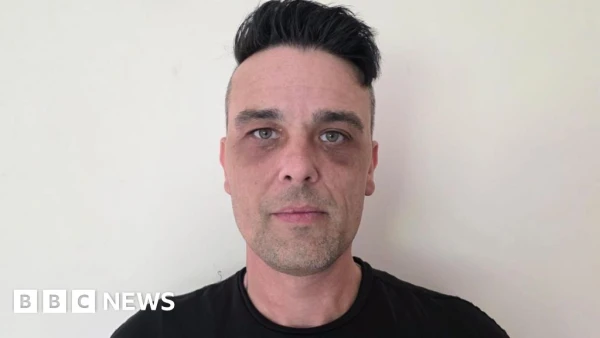
Kevin Brewer, a dedicated home care worker in County Tyrone, faces an impossible choice: continue serving vulnerable clients or quit his job due to soaring fuel costs. Driving approximately 70 miles daily between clients' homes, Brewer now spends £70 every two days on petrol—more than double the £30 he paid before recent price hikes.
"I thought last week I was going to have to phone up and tell them I couldn't go. I had to borrow money to pay for fuel," Brewer revealed. "I love my job, but I just don't know how much longer I'm going to be able to do it."
Brewer receives only 20p per mile reimbursement from his private employer, leaving him significantly out of pocket. His situation reflects a growing crisis in the care sector, where workers dependent on personal vehicles are being pushed to financial breaking point.
The Independent Health & Care Providers (IHCP) has issued an urgent warning, stating that fuel costs "are forcing many care workers into a financial position where they are having to choose if they can continue to work in home care." The organization called on the Department of Health to take immediate action to support staff through what they describe as a "fuel crisis" threatening community care services.
Fuel prices in Northern Ireland have surged dramatically, with petrol averaging 154p per litre and diesel reaching 188.1p—up from pre-conflict averages of 124.8p and 132.6p respectively. The closure of the Strait of Hormuz, which handles approximately 20% of global oil trade, has contributed to the sharp increase.
Compensation disparities exacerbate the problem. While Health and Social Care Trust employees receive 58p per mile for the first 4,500 miles annually, private sector workers like Brewer face significantly lower reimbursement rates. The social care workforce already represents the lowest-paid segment of the health and social care system.
"Something needs to happen because we are going to lose our care staff in the community," Brewer warned. "I've been talking to colleagues myself and they're all suffering the same issues. I'm out money to go to my job. I can't afford to go to work, but I can't afford to stay off either."
The human cost extends beyond transportation. Brewer described colleagues who are "scared to turn their heating on" and resort to wearing multiple layers indoors to save money for fuel. Some are "skimping and scraping" on food budgets to maintain their ability to work.
Despite a recently approved Stormont support package offering £100 toward home heating oil for qualifying households, many care workers don't meet eligibility requirements. Communities Minister Gordon Lyons acknowledged the limitations, stating, "I understand this is not enough, I understand that this will take time, but we have limited levers at our disposal."
Brewer's personal circumstances have forced his partner to take a second job, and he says he will "without a doubt" have to change roles if nothing improves. He reports that many colleagues are considering leaving home care for nursing home positions or other work—not by choice, but necessity.
The potential exodus threatens vulnerable service users who "really depend on us," Brewer noted. "They need us there and without us they're stuck as well—where do they turn to?"
As the IHCP braces for increased staff turnover, the organization emphasized that home care workers provide essential community contact for society's most isolated and vulnerable members. "We cannot afford to lose this workforce," their statement concluded, highlighting the high stakes for both caregivers and those they serve.