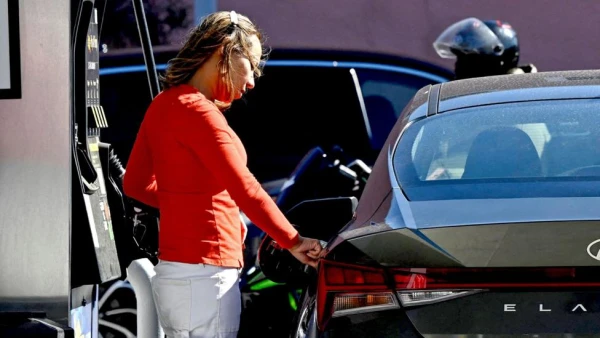
Motorists face continued pain at the pumps as fuel prices rise despite a recent US-Iran ceasefire agreement, with concerns mounting over the durability of the truce and the reopening of a critical global oil shipping route.
Petrol and diesel costs increased on Thursday as oil prices rebounded following initial declines after the ceasefire announcement. The price of Brent crude rose 3.2% to $97.94 per barrel amid growing uncertainty about whether the Strait of Hormuz—a vital passage for approximately one-fifth of the world's oil supply—would reopen as promised.
"Based on the fuel industry's rule of thumb of a 10 to 14-day lag between wholesale cost movements and those at the pump, drivers should expect prices on forecourts to level by next weekend and then fall—providing the ceasefire holds," said Luke Bosdet, a spokesperson for the AA.
Tensions escalated after Israel launched strikes on Lebanon, prompting Iran to warn of a "regret-inducing response" if attacks continue. This development cast doubt on one of the ceasefire's key conditions: ensuring safe passage through the Strait of Hormuz. Reports indicate Iran has kept the strait closed following the Israeli actions, renewing fears of prolonged energy supply disruptions.
According to the RAC, the average petrol price reached 158.03p per litre on Thursday, with diesel at 191.11p. Filling a tank now costs £13.86 more for petrol and £26.80 more for diesel compared to pre-conflict levels.
Maritime tracking reveals only a handful of vessels have transited the strait since the ceasefire deal, far below the pre-war average of 130 ships daily. Even if normal traffic resumes immediately, experts estimate at least 10 days would be needed to clear the existing backlog of waiting ships.
"It's very difficult to plan because every day you get very different news," said Nils Haupt of container shipping firm Hapag-Lloyd, which has six ships currently stranded in the Persian Gulf.
Global markets reflected the uncertainty, with major indices including Japan's Nikkei 225 and Europe's FTSE 100 retreating after Wednesday's gains. Investment analyst Victoria Scholar noted, "Markets are giving back some gains... and I think that reflects a lot of uncertainty over whether the Strait of Hormuz is actually open."
Further complications emerged as Iran's deputy foreign minister stated the strait would only reopen "after the United States actually withdraw this aggression," while shipping firms received warnings from Iran's navy that unauthorized vessels "will be targeted and destroyed."
With negotiations scheduled for Saturday in Pakistan and industry experts warning that global trade could take months to approach pre-crisis levels, motorists are advised not to expect significant fuel price relief in the immediate future.