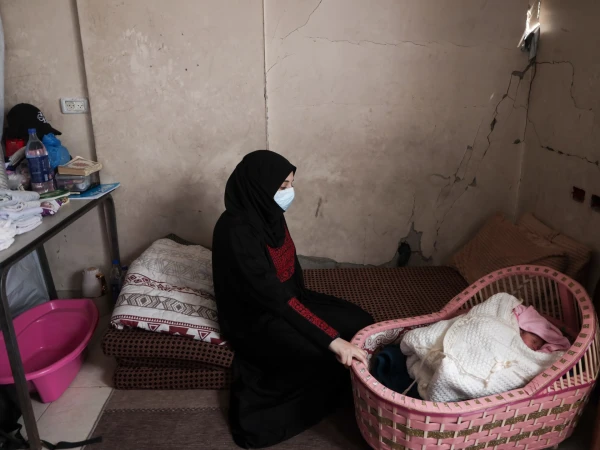
As Caesarean Awareness Month is observed in April, a troubling trend is emerging in Gaza where increasing numbers of women are undergoing caesarean section births, often under dangerous conditions that heighten the risk of infection and other complications.
Local health officials report that the rate of C-sections in Gaza has climbed sharply in recent years, driven in part by limited access to proper medical facilities, shortages of trained staff, and the strain of conflict on the healthcare system. Many women are not given a choice in the matter, with doctors often opting for surgery due to a lack of resources for managing prolonged labor or emergencies.
The procedure itself, while life-saving when necessary, carries significant risks in an environment where sterile equipment is scarce and post-operative care is inadequate. Infections and severe bleeding are common, and the absence of reliable electricity and clean water exacerbates recovery difficulties.
Mothers like Rana Abu Zaid, who delivered her third child via C-section in a crowded clinic, recount harrowing experiences. "I felt scared. The operating room was not clean, and they rushed me through. After the birth, I developed a fever and the wound got infected. I could not care for my baby properly," she said.
Health advocates are calling for urgent investment in maternal services, including better training for birth attendants, provision of essential supplies, and efforts to reduce unnecessary C-sections. They stress that while the procedure can save lives, it must be performed safely and only when medically indicated.
Without intervention, the rising C-section rate in Gaza will continue to endanger mothers and newborns, adding another layer to the region's humanitarian crisis.