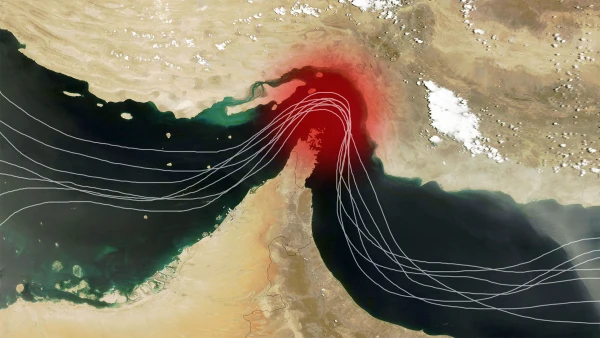
Recent actions by the United States to restrict access through the Strait of Hormuz have significantly heightened a long-standing geopolitical conflict over control of this critical maritime passageway. The strategic waterway, through which approximately one-fifth of the world's oil supply flows daily, has become the focal point of an intensifying power struggle that could reshape global energy security and regional influence.
"This isn't just about navigation rights—it's about who gets to set the rules for one of the world's most important economic arteries," noted a regional security analyst.
The escalating tensions come as multiple nations vie for influence over the terms of passage through the narrow strait, which connects the Persian Gulf to the Gulf of Oman and ultimately to international waters. The U.S. initiative has prompted renewed discussions about sovereignty, security protocols, and the delicate balance of power in a region where energy exports represent both economic lifelines and strategic vulnerabilities.
Observers warn that the current standoff could have far-reaching consequences for global energy markets and international relations, with various stakeholders positioning themselves to assert greater control over the terms of access to this vital shipping corridor.