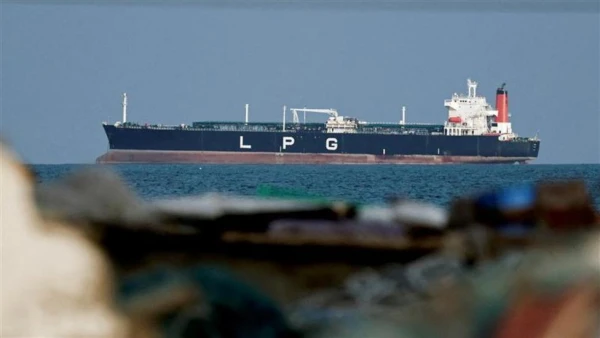
The United Kingdom and over 40 allied nations are exploring coordinated sanctions and diplomatic measures to compel Iran to reopen the strategically vital Strait of Hormuz, following a major virtual summit on Thursday.
Foreign Secretary Yvette Cooper announced the agreement, framing Iran's blockade of the waterway as a direct assault on global economic stability. "Iran's closure of the Strait of Hormuz is a direct threat to global prosperity," Cooper stated, accusing Tehran of attempting to "hold the global economy hostage."
The summit, which notably excluded the United States, focused on assembling a coalition to ensure security in the Gulf shipping channel without resorting to military force. Cooper emphasized that the priority is on "every possible diplomatic, economic and coordinated measure" to restore the free flow of traffic.
"Iran is trying to hold the global economy hostage in the Strait of Hormuz. They must not prevail," Cooper declared. "To that effect, partners today called for the immediate and unconditional reopening of the Strait and respect for the fundamental principles of freedom of navigation and the law of the sea."
The proposed strategy includes increasing pressure through the United Nations, exploring targeted sanctions against Iran if the strait remains closed, and collaborating with the International Maritime Organisation to facilitate the movement of stranded vessels. Cooper highlighted the channel's critical role in Gulf trade, Asian energy imports, and African agricultural fertilizer supplies.
The diplomatic push comes amid soaring global energy prices, with the cost of Brent crude oil surging from approximately $73 to over $100 per barrel since the blockade began. Roughly one-fifth of the world's oil and gas transits through the narrow strait.
International leaders offered contrasting perspectives on the crisis. U.S. President Donald Trump urged allies to "build up some delayed courage" and take direct action to secure the route, while French President Emmanuel Macron, speaking from South Korea, dismissed military intervention as "unrealistic." Macron argued that reopening the strait "can only be done in concert with Iran" and called for an immediate ceasefire and renewed negotiations.
Prime Minister Sir Keir Starmer affirmed the UK's commitment to exploring "each and every diplomatic avenue" to resolve the crisis, with British military planners also considering future measures to guarantee safe passage once hostilities cease.
The virtual meeting included participants from nations that had previously signed a joint statement in March condemning Iranian attacks on commercial shipping. Attendees were expected to include several Gulf states, France, Germany, Japan, and Australia, though the U.S. did not send a representative.