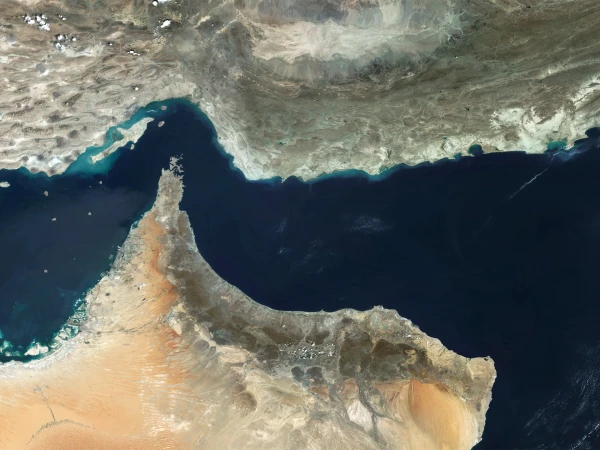
In a groundbreaking diplomatic development, Gulf Cooperation Council (GCC) members and Iran are actively negotiating a new security framework for the Strait of Hormuz, a critical global oil transit route. This initiative could provide the United States with a strategic exit from regional tensions.
Analysts suggest this emerging security architecture represents a significant shift toward regional self-determination, potentially reducing external military presence while ensuring maritime stability. The proposed framework focuses on cooperative monitoring, joint patrols, and shared responsibility for safeguarding the vital waterway through which approximately one-fifth of the world's oil passes daily.
"This represents a rare opportunity for regional powers to take ownership of their security challenges," noted a Middle East policy expert. "A successful agreement could transform the geopolitical landscape of the Persian Gulf."
The timing coincides with ongoing international efforts to de-escalate tensions, offering what observers describe as a potential "diplomatic off-ramp" for the current U.S. administration. The initiative marks the most substantive dialogue between GCC states and Iran in years, signaling possible thawing of longstanding regional rivalries.
If implemented, the security arrangement could establish new protocols for navigation, emergency response, and conflict prevention in one of the world's most strategically important maritime chokepoints. The negotiations continue amid cautious optimism from participating nations and international stakeholders.