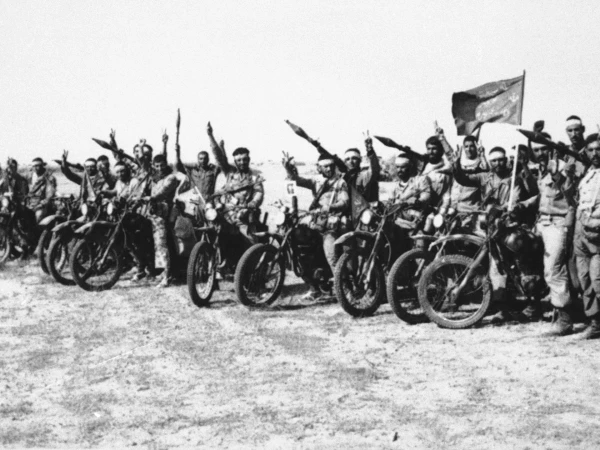
A striking historical parallel is emerging as analysts compare the current geopolitical tensions surrounding Iran with the disastrous 1980 Iran-Iraq war. The conflict, which began with Saddam Hussein's invasion of Iran, offers sobering lessons about military overconfidence and miscalculation that resonate today.
Experts note that Saddam Hussein fundamentally misunderstood Iran's military capabilities and national resilience when he launched his invasion, expecting a quick victory that instead turned into an eight-year stalemate costing hundreds of thousands of lives. This historical miscalculation bears uncomfortable similarities to contemporary discussions about potential military action against Iran.
"The Iran-Iraq war demonstrates how easily nations can underestimate their adversaries' capacity to endure and adapt," observes Middle East historian Dr. Leila Farouk. "Saddam's assumptions about Iranian weakness proved catastrophically wrong, and similar assumptions today could lead to equally disastrous outcomes."
Military strategists point to several key parallels: the difficulty of achieving decisive victory against a determined regional power, the unpredictability of conflict escalation, and the long-term consequences that can reshape regional dynamics for decades. The 1980s conflict ultimately strengthened Iran's military institutions and regional influence in ways Hussein never anticipated.
As tensions continue to simmer, historians warn that the lessons of 1980 remain relevant—particularly the danger of underestimating an adversary's resilience and the unpredictable consequences that follow when war plans meet reality.