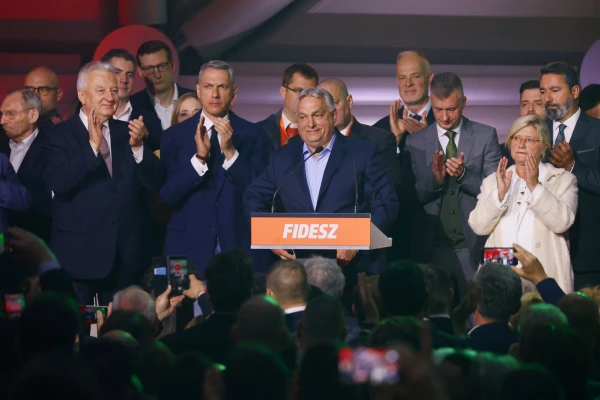
Hungary's political landscape has undergone a historic transformation as Prime Minister Viktor Orban conceded defeat in parliamentary elections, ending his 16-year tenure. The opposition leader Peter Magyar emerged victorious, signaling a significant shift in the country's governance.
"After 16 years as prime minister, I accept the will of the Hungarian people," Orban stated in his concession speech, acknowledging the election results that marked the conclusion of his lengthy political dominance.
The transition of power represents a pivotal moment for Hungary, with Magyar poised to implement new policies and directions for the nation. This electoral outcome reflects changing public sentiment and sets the stage for potential reforms in various sectors, including economic policies and international relations.
Political analysts note that this development could influence Hungary's position within the European Union and its approach to regional cooperation. The incoming administration faces the challenge of addressing both domestic priorities and international expectations while navigating the complexities of governance in a post-Orban era.