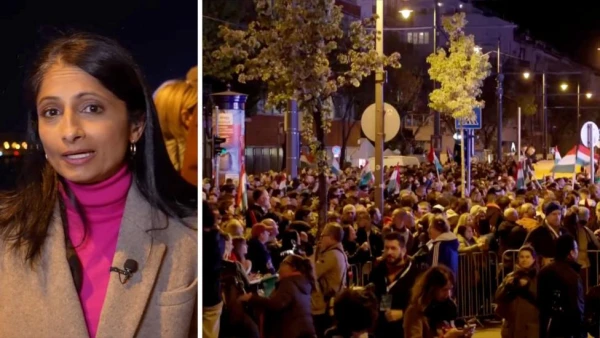
In a stunning electoral reversal, Hungary's political establishment has been upended as the opposition coalition led by Péter Magyar secured a landslide victory, prompting Prime Minister Viktor Orbán to concede defeat after 16 consecutive years in power.
"This represents a truly historic moment for our nation," declared Magyar, addressing jubilant supporters gathered outside the Hungarian parliament in Budapest. "The people have spoken with clarity and conviction."
Record voter turnout characterized the election, which analysts had widely described as pivotal not only for Hungary's domestic trajectory but also for its positioning within the broader European political framework. The decisive result signals a dramatic shift away from Orbán's nationalist-conservative policies, which had frequently placed Hungary at odds with European Union leadership on issues ranging from migration to judicial independence.
Magyar's coalition is projected to win a commanding majority in the National Assembly, granting it substantial legislative authority. Final vote tallies are expected to be confirmed over the coming days as remaining ballots are counted.
The BBC's correspondent, reporting from the scene in Budapest, described an atmosphere of euphoria and disbelief among opposition supporters as news of Orbán's concession spread. Many in the crowd had only known Orbán's Fidesz party in government throughout their adult lives.
This electoral outcome is likely to recalibrate Hungary's foreign policy, particularly regarding the war in Ukraine, where Orbán had maintained a notably Russia-friendly stance compared to other EU and NATO members. It also marks the most significant political change in Central Europe since the fall of communism, potentially inspiring opposition movements across the region where similar populist leaders have consolidated power.