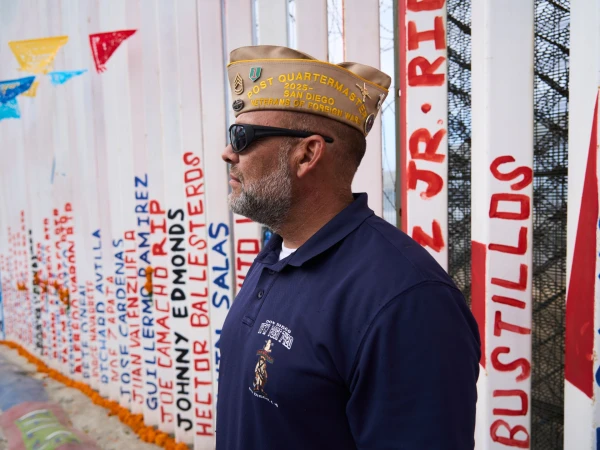
For Benito Miranda Hernandez, serving others is a lifelong principle. The 42-year-old father, a US military veteran who served three tours in Iraq, now works an overnight car park shift in San Diego as part of a reentry program after years in prison for drug convictions. His sentence ends in August, but a persistent dread shadows his progress: that immigration agents could detain and deport him once he is free. Hernandez lacks US citizenship.
"Just walking on the street, just walking out of the programme where I'm at, I can get picked up," he told Al Jazeera.
Since President Donald Trump began his second term in 2025, his administration has spearheaded a mass deportation campaign, forcibly removing at least 675,000 people as of January, according to official estimates. The operation targets the "worst of the worst," according to Trump officials, but immigrant veterans—especially those with criminal records—fear they may be caught in the net.
Hernandez, who was born in Mexico and brought to the US as a baby, feels betrayed. "I was willing to die for this fing country," he said. "I went to war for this fing country. And you want to try to deport me?"
As of 2022, nearly 731,000 military veterans in the US are immigrants, making up about 4.5 percent of the veteran population. While most have citizenship, an estimated 118,000 do not. Hernandez is among them.
After returning from deployment, he struggled to readjust. Jailed briefly on illegal gun charges, he lost his apartment and all his possessions. With few options, he turned to selling drugs, leading to multiple prison sentences.
His story is not uncommon. Roughly one-third of veterans are arrested at least once in their lives, and surveys suggest up to 181,500 are imprisoned each year. Many grapple with traumatic brain injuries, PTSD, and substance abuse, which can lead to criminal behavior.
Hernandez enlisted after the September 11, 2001 attacks. A recruiter at his California high school persuaded him to join at age 18. The structure, ambition, and steady income appealed to him. Now, he fears his service means little to a government bent on deporting non-citizens.