Iran has firmly rejected a recent ultimatum from the United States concerning the strategic Strait of Hormuz, labeling the demands as provocative and tantamount to inciting war crimes. The defiant stance comes amid heightened regional tensions following a deadly incident in Haifa that left two people dead.
In a strongly worded statement, Iranian officials dismissed what they described as "unacceptable threats" from Washington, asserting their country's right to defend its sovereignty and regional interests. The rejection centers on what Tehran views as an attempt to impose unilateral demands regarding maritime security in the vital waterway through which approximately one-fifth of the world's oil passes.
"We categorically reject these ultimatums that seek to undermine our national security and regional stability," an Iranian foreign ministry spokesperson stated. "Such rhetoric only serves to escalate tensions and represents a dangerous incitement to potential war crimes."
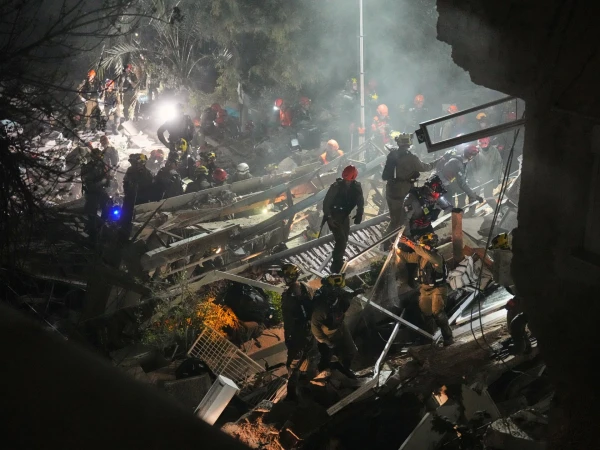
The diplomatic confrontation unfolds against a backdrop of violence in Haifa, where authorities reported two fatalities in what appears to be a targeted attack. While details remain limited, the incident has further strained an already volatile security situation in the region.
Analysts suggest the combined developments—the diplomatic standoff over the Strait of Hormuz and the Haifa violence—represent a significant escalation in long-standing tensions between Iran and its adversaries. The strategic waterway has been a recurring flashpoint, with previous incidents involving tanker seizures and naval confrontations.
International observers are closely monitoring the situation, concerned that the hardening positions on both sides could lead to miscalculation and broader conflict. The United Nations has called for restraint from all parties, emphasizing the importance of diplomatic channels to resolve differences.
As the situation develops, regional governments are reportedly reviewing their security postures, with some considering increased naval patrols and enhanced intelligence sharing. The coming days are expected to reveal whether the current tensions will subside through diplomacy or escalate further into open confrontation.