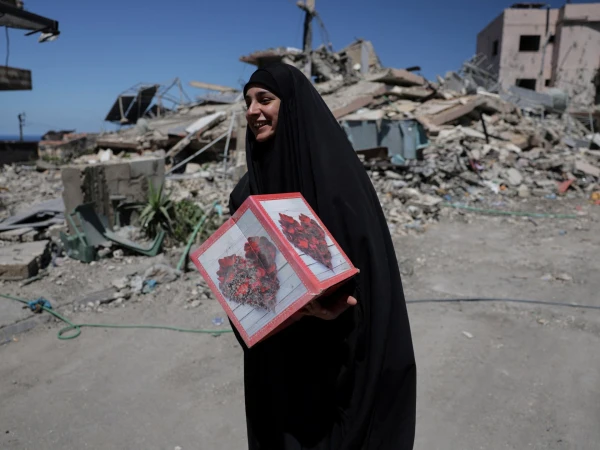
Iran has urged the United States to guarantee that Israel complies with the ceasefire agreement in Lebanon, warning that continued Israeli strikes threaten broader peace efforts. Tehran views the situation in Lebanon as a critical test of Washington's ability to influence Israel, analysts say.
Iranian Foreign Minister Abbas Araghchi stated that the US has a “commitment and responsibility” to uphold the deal on all fronts. His remarks came as a US official confirmed that Israel and Hezbollah agreed to a ceasefire, despite reports of ongoing Israeli attacks.
In Iran:
- Lebanon as a litmus test: Muhanad Seloom of the Doha Institute said Tehran is watching whether the US can “actually control or rein in the Israeli side.” If Washington fails to stop Israeli attacks on Lebanon, he questioned, “who will guarantee that in the future Israel won’t attack Iran itself?”
- Linking Lebanon to Iran-US deal could backfire: Former US official Mark Kimmitt warned that tying an end to Israel’s war in Lebanon to the broader US-Iran agreement is “very, very unwise,” noting that neither side has full control over its allies.
- Long road to agreement: Ali Vaez of the International Crisis Group said the current memorandum of understanding is fragile, and turning it into a comprehensive deal within 60 days is “very difficult” due to technical complexity and deep mistrust.
In the US:
- Trump frustrated with Israel: Tensions between Washington and Israel are rising as the Trump administration pushes for a “complete ceasefire on all fronts,” while Israeli forces continue strikes and ground operations in Lebanon. Analysts say this issue remains the greatest vulnerability for the deal.
- New peace talks announced: The US will host Israeli and Lebanese officials in Washington on June 23 and 25 for a new round of talks aimed at achieving a “lasting peace.” However, the process is complicated by Hezbollah’s rejection of the talks and disputes over disarmament.
In Lebanon:
- Israeli strikes cast doubt: Despite the ceasefire, Israeli attacks continue in southern Lebanon, raising questions about the truce’s viability. The deal, brokered by Qatar, the US, and Iran, aimed to prevent the Lebanon conflict from derailing wider peace efforts, but strikes resumed almost immediately.