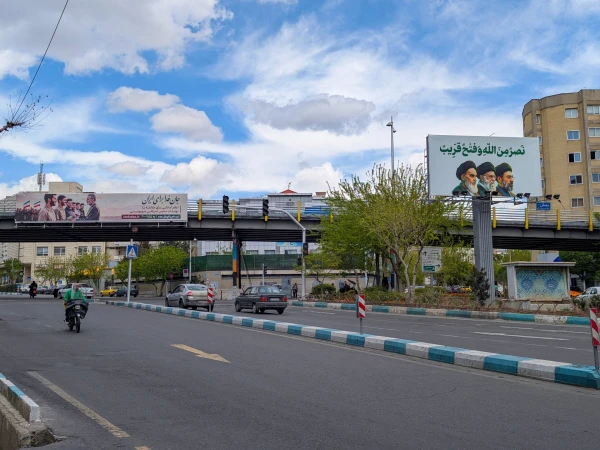
A palpable sense of relief has swept through Tehran as a newly announced ceasefire provides a temporary reprieve from escalating tensions, though skepticism about its longevity remains widespread. While citizens cautiously celebrate the prospect of peace, conflicting declarations of victory from all involved parties cast doubt on the agreement's stability.
"We are breathing easier today, but we know this could be shattered at any moment," said one Tehran resident, capturing the cautious optimism mixed with deep-seated apprehension that characterizes the public mood.
The ceasefire, which follows a period of heightened hostilities, has been hailed by various factions as a strategic triumph, creating a complex narrative where each side claims to have achieved its objectives. This contradictory rhetoric underscores the fragile nature of the accord and raises questions about whether it represents a genuine step toward de-escalation or merely a tactical pause.
Analysts note that the immediate cessation of violence offers a critical window for humanitarian efforts and diplomatic engagement, yet the underlying disputes remain unresolved. The coming days will be crucial in determining whether this ceasefire evolves into a lasting peace or collapses under the weight of unmet expectations and competing claims of success.