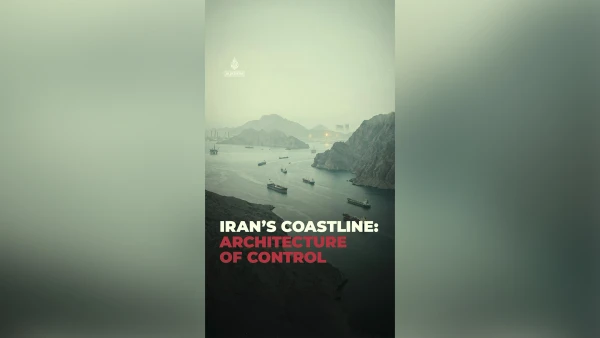
A detailed examination of Iran's coastline reveals a sophisticated network of strategic installations and fortified islands that form a comprehensive maritime defense architecture. This system, designed to project power and secure vital waterways, represents a critical component of Iran's national security strategy.
From the northern shores of the Caspian Sea to the southern coastlines along the Persian Gulf and Gulf of Oman, Iran has developed an intricate web of military bases, surveillance posts, and missile installations. These facilities are strategically positioned to monitor and control key shipping lanes, particularly the Strait of Hormuz—through which approximately one-fifth of the world's oil passes daily.
"The geographic positioning of Iran's coastal installations creates overlapping fields of control," explains regional security analyst Dr. Farah Nazari. "This layered approach allows for rapid response capabilities while creating significant deterrent effects against potential adversaries."
Several islands in the Persian Gulf, including Abu Musa and the Greater and Lesser Tunbs, have been transformed into fortified outposts equipped with advanced radar systems, anti-ship missile batteries, and naval facilities. These island strongholds extend Iran's defensive perimeter while providing forward operating bases for naval and air forces.
The architecture of control extends beyond purely military installations. Iran has developed commercial ports with dual-use capabilities, civilian infrastructure that can support military operations, and coastal surveillance networks that integrate traditional observation posts with modern electronic monitoring systems.
This coastal defense network reflects Iran's historical reliance on its maritime borders for both economic survival and strategic positioning. As regional tensions continue to evolve, the significance of these coastal fortifications remains central to understanding Iran's security posture and its ability to influence regional maritime affairs.