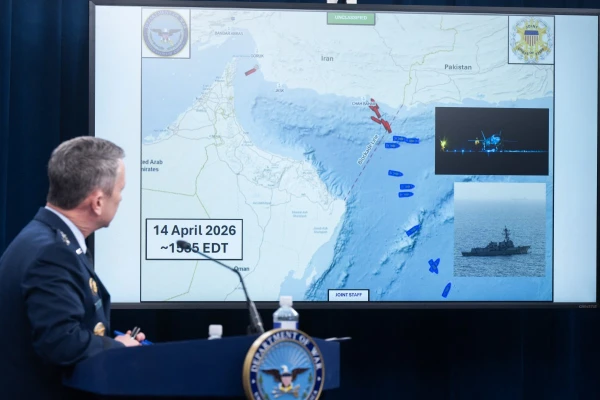
In a move that has sent shockwaves through international shipping and energy markets, Iran has executed a rapid reversal on access to the strategic Hormuz Strait, briefly reopening the critical waterway only to close it again within hours.
This sudden about-face has created confusion among global shipping companies and raised alarms among Western powers, who view the strait as a vital artery for global oil transportation. The Strait of Hormuz serves as the passageway for approximately one-fifth of the world's oil supply, making any disruption to its accessibility a matter of international economic security.
"The timing and nature of this maneuver suggest it may be more than routine military exercises," noted regional security analyst Dr. Farid Hassan. "When a country controls such a crucial choke point, even temporary closures send powerful geopolitical signals."
While Iranian officials have not provided detailed explanations for the rapid sequence of decisions, the incident comes amid heightened regional tensions and ongoing negotiations regarding Iran's nuclear program. The brief reopening allowed several commercial vessels to pass through before Iranian naval forces resumed their blockade, according to maritime tracking services.
International reactions have been swift, with several governments calling for clarification and expressing concern about the potential impact on global energy prices. The United States Navy has reportedly increased surveillance in the region, though no direct confrontations have been reported.
This latest development underscores the fragile balance in the Persian Gulf, where the narrow waterway has long been a flashpoint in international relations. Shipping companies are now reassessing their routes and schedules, with some considering alternative, though more expensive, pathways around the Arabian Peninsula.
As the situation continues to evolve, global markets remain on edge, watching for any indication of whether this represents a temporary tactical move or the beginning of a more sustained disruption to one of the world's most important maritime corridors.
This story is developing.