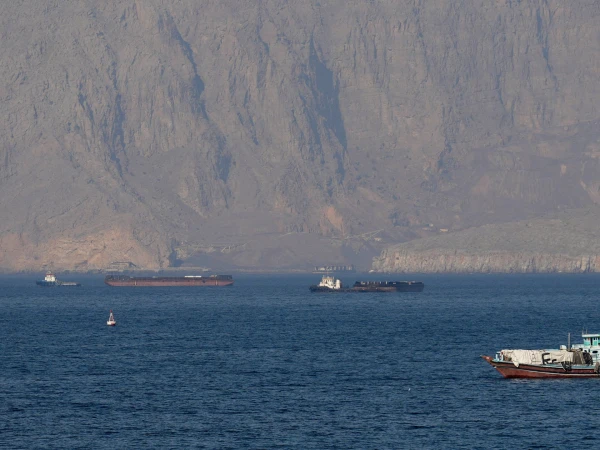
Iran has developed a sophisticated network of vessels, often referred to as a "shadow fleet," to bypass the US naval blockade in the strategically vital Strait of Hormuz. These ships employ deceptive practices such as flying fake flags, disabling their Automatic Identification Systems (AIS), and engaging in ship-to-ship transfers to conceal their origins and cargo.
The Strait of Hormuz, a narrow waterway connecting the Persian Gulf to the Gulf of Oman, is a critical chokepoint for global oil shipments. The US naval blockade aims to pressure Iran by restricting its oil exports, but Iran's shadow fleet undermines these efforts.
By using "dark ships" that turn off tracking devices and frequently changing their registered flags, Iranian vessels can move undetected. They also conduct clandestine transfers of oil from sanctioned tankers to other ships at sea, making it difficult for authorities to trace the origin of the cargo.
These tactics mirror those used by other sanctioned nations, but Iran's operations in the Strait of Hormuz are particularly audacious due to the waterway's military and economic importance. The shadow fleet's success highlights ongoing challenges in enforcing maritime sanctions.