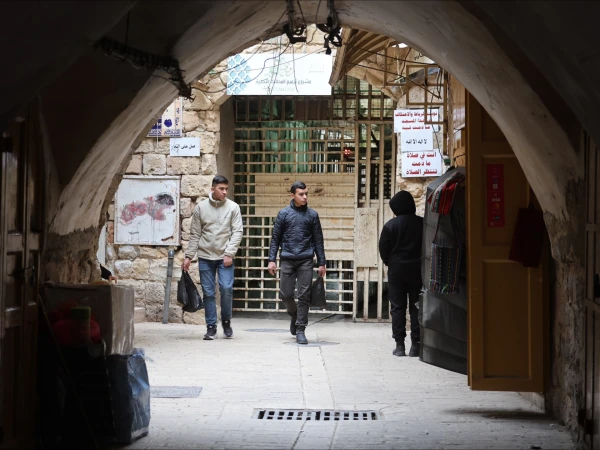
Israeli security measures have been significantly tightened around the Ibrahimi Mosque in Hebron, marking a notable escalation in control over the historic site. The new restrictions mirror policies previously implemented at Jerusalem's Al-Aqsa Mosque, raising concerns about access and religious freedom in the occupied West Bank.
Local worshippers report increased surveillance, additional checkpoints, and stricter entry requirements that have disrupted regular prayer schedules. The mosque, also known as the Cave of the Patriarchs, holds deep religious significance for both Muslims and Jews, making these developments particularly sensitive.
"The atmosphere has become increasingly tense," said a community representative who requested anonymity. "What we're witnessing here follows a pattern we've seen elsewhere, and it fundamentally changes how people experience this sacred space."
Palestinian officials have condemned the measures as part of a broader strategy to consolidate Israeli control over religious sites in occupied territories. Meanwhile, Israeli authorities maintain the restrictions are necessary security precautions in response to specific threats.
The situation has drawn international attention, with human rights organizations monitoring potential impacts on religious practice and regional stability.