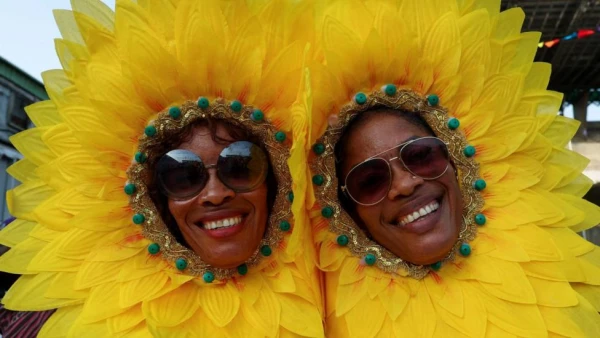
Lagos Island transformed into a vibrant spectacle of music, dance, and elaborate costumes on Monday as the annual Fanti Carnival celebrated Nigeria's deep-rooted Afro-Brazilian heritage. The streets of Nigeria's financial hub pulsed with energy, featuring bedazzled horses, towering dragons, and dancing stilt walkers in a tradition that has illuminated the city for over 200 years.
The carnival traces its origins to the 19th century, when formerly enslaved Africans and their descendants began returning to the continent from countries like Brazil and Cuba. Many of these Afro-Brazilian returnees settled in Lagos Island, bringing with them customs that would eventually fuse with the traditions of Nigeria's Yoruba people to create the unique Fanti Carnival.
"It is important that we preserve this, so that generation after generation everybody will get to understand the importance of this and how Brazilians and Lagos came to be," said carnival-goer Ademola Oduyebo, capturing the event's cultural significance.
Attendee Glamour Sandra marveled at "the energy, the artistic splendour, the creativity" of the celebration, which saw enthusiastic participation from children and teenagers decked out in creative costumes, ensuring the tradition's continuation.
The festival is sustained by seven historic associations rooted in different areas of Lagos Island, each distinguished by signature colors—the Lafiaji association members, for instance, always wear red and white. Organizers describe the carnival as "neither wholly Brazilian nor wholly Yoruba, but entirely its own," a testament to its unique cultural fusion.
With plans already underway for next April's celebration, the Fanti Carnival continues to serve as a living bridge between continents and generations, preserving a rich cultural legacy through music, dance, and community pride.