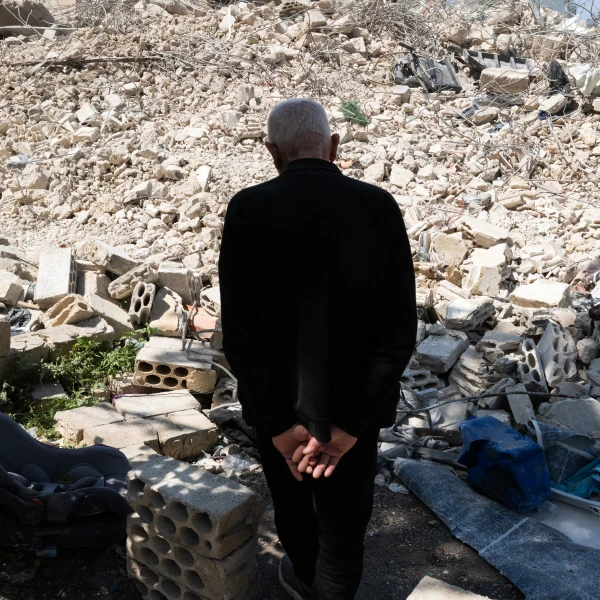
The pattern is painfully familiar: a cease-fire is announced in Lebanon, hope flickers among civilians weary of conflict, and then, within weeks or months, the guns roar again. Each new agreement brings a fragile pause, but the underlying tensions and unresolved grievances ensure that lasting peace remains elusive.
Despite international mediation and promises from warring parties, the region has witnessed numerous cease-fires that fail to hold. Analysts point to a lack of trust, external interference, and the absence of a political framework as key reasons for the repeated breakdowns.
For ordinary Lebanese, the cycle takes a heavy toll. "We want peace, but every time we dare to hope, something happens to crush it," said a resident of Beirut. The human cost continues to mount, with families displaced and lives shattered by each new wave of violence.
As yet another cease-fire takes effect, many are cautious. The hope is there, but so is the knowledge that without concrete steps toward addressing the root causes, the false dawns will persist.