A London-based food redistribution charity is grappling with the financial strain of soaring energy and fuel prices, a direct consequence of the ongoing conflict in the Middle East.
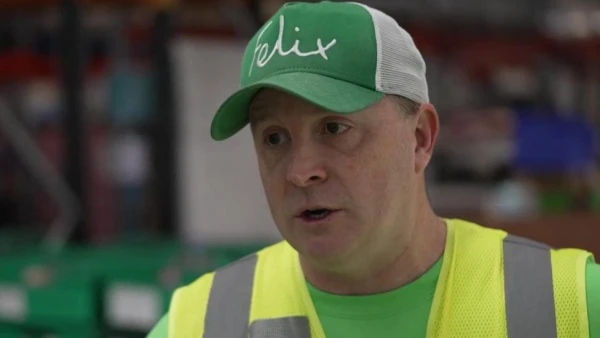
Shane Dorsett, chief operating officer at The Felix Project, highlighted the significant impact on their operations. "We have big chillers that hold all of our chilled and frozen food across the city, where we'll see increased prices," Dorsett explained. "We will feel a pinch and so will our charity partners downstream."
The charity, which rescued 18,000 tonnes of surplus food last year from over 200 suppliers for distribution to approximately 1,200 community organizations, now faces heightened costs for running its fleet of 60 delivery vans and maintaining essential refrigeration.
This pressure stems from a sharp rise in global oil prices following the effective blockage of the Strait of Hormuz, a vital waterway for 20% of the world's oil trade. In the UK, average petrol prices have climbed to around £1.52 per litre—a 20p increase since the conflict began—while diesel has risen to just over £1.82. For consumers, this translates to an extra £10 to fill a typical petrol car and more than £21 for diesel.
The strain extends beyond charities to small businesses. Ella Rauen-Prestes, founder of the Paddington-based bakery Fitbakes, described a shift from growth to survival mode. "I am seeing businesses like ours that started with us, 90% of them [are] folding," she said, noting that adaptation has become crucial.
In response to the growing crisis, affected organizations are calling for government support. Prime Minister Sir Keir Starmer acknowledged the challenge, stating that dealing with the economic fallout "will not be easy." The government has announced additional funding to assist those using heating oil and pledged to combat unfair pricing practices.
A spokesperson for the Department for Energy Security and Net Zero emphasized, "Families and businesses will be worried about the impact of conflict in the Middle East here at home. The government is determined to fight people's corner." While assuring that the UK's oil supply remains stable, officials stressed the importance of avoiding panic buying as the situation develops.