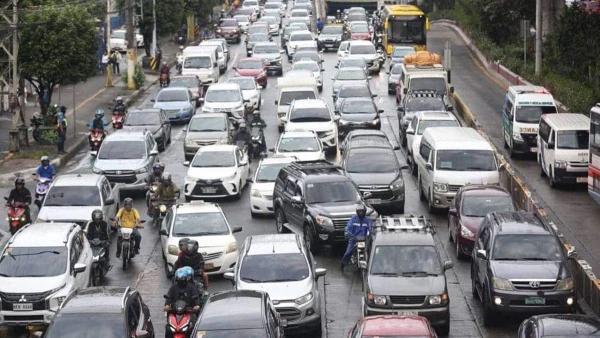
The Philippine automotive industry experienced a sharp 9.8% decline in sales during the first quarter of 2026, as geopolitical tensions in the Middle East triggered a global oil supply crunch that dampened consumer demand.
According to data released by the Chamber of Automotive Manufacturers of the Philippines, Inc. (Campi) and the Truck Manufacturers Association, total vehicle sales dropped to 105,642 units from 117,074 during the same period last year. This downturn follows a record-breaking sales year in 2025.
"This will not only accelerate the preference for electrified vehicles but may also highlight the practicality of energy efficient vehicles like smaller and lower displacement cars," said Campi president Jose Maria Atienza. "The auto industry will evolve based on the market's requirement."
Despite the overall market contraction, electric vehicles emerged as a bright spot, surging 36.2% to 11,800 units in the first quarter. The trend accelerated dramatically in March—the first full month following escalated conflict between the United States, Israel, and Iran—when EV sales skyrocketed 224.4% to 6,148 units.
Atienza noted that consumer behavior is shifting as buyers become more receptive to electrified technologies, with EVs now representing 17% of the Philippine automotive market. Hybrid vehicles accounted for the majority of March's EV sales at 3,667 units.
Toyota Motor Philippines maintained market dominance across both conventional and electrified segments, selling 5,471 hybrid units and capturing 49.15% of total market share with 51,922 vehicles sold. Vietnam's VinFast led the battery EV category with 1,171 units, while Jetour Auto Philippines topped the plug-in hybrid segment with 550 units.
Commercial vehicles, which constitute the bulk of sales, declined 7.8% to 85,491 units, while heavy-duty trucks and buses experienced the steepest drop at 48.4% to just 131 units.