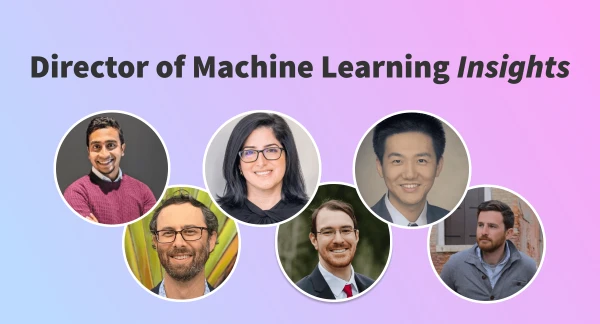
A recent series of interviews with Directors of Machine Learning and Data Science reveals how artificial intelligence is transforming diverse sectors, including media, pharmaceuticals, science, logistics, marketing, and energy. The discussions highlight both achievements and persistent challenges in applying ML to real-world problems.
Archi Mitra, Director of Machine Learning at a media company, explained how ML has optimized content recommendation systems, reducing user churn and increasing engagement by personalizing news feeds. However, he noted that the biggest challenge is dealing with dynamic user preferences and ensuring algorithmic fairness.
Li Tan, a director in pharmaceuticals, described how ML accelerates drug discovery by predicting molecular interactions, cutting development timelines from years to months. The main obstacle, he said, is integrating heterogeneous data sources while maintaining regulatory compliance.
Alina Zare, a director in scientific research, highlighted ML's role in analyzing ground-penetrating radar data to detect buried landmines, saving lives. She warned against over-reliance on black-box models in science, emphasizing the need for interpretable AI.
Nathan Cahill from logistics pointed out that ML can reduce empty truck miles—currently about 20% of all trips—by even 1%, which could cut carbon emissions equivalent to removing 100,000 American cars. He stressed that data silos across transportation networks remain a key barrier.
Nicolas Bertagnolli in marketing noted that ML-powered customer segmentation has boosted campaign ROI by 30%, but cautioned against ignoring context and human creativity.
Eric Golinko from the energy sector described how ML predicts equipment failures in power grids, reducing downtime. The challenge, he said, is ensuring models generalize across varying weather and demand patterns.
Across the board, directors agreed that successful ML integration requires a blend of technical expertise, business understanding, and clear communication. They also warned against viewing ML as a magic solution without proper data infrastructure and domain knowledge.
Looking forward, the directors expressed excitement about generative AI and autonomous systems, but emphasized that the human element remains crucial. As one put it, "ML is a tool, not a replacement for expertise."