Nigeria has initiated one of its largest-ever terrorism prosecutions, with over 500 individuals facing charges related to militant activities that have plagued the nation for years. The trial, which began on Tuesday at a high court in Abuja, marks a significant shift in the country's approach to addressing long-standing security challenges.
"The federal government is committed to ensuring that due process is followed while bringing those involved in terrorism to justice," said Attorney General Lateef Fagbemi, emphasizing the scale of the operation.
According to court proceedings, 227 suspects were arraigned before 10 judges on the opening day. The defendants face allegations ranging from direct participation in attacks to supporting militant groups through funding, arms supply, and logistical assistance. Five individuals have already received prison sentences of seven to 20 years after pleading guilty to charges including selling livestock and providing food and information to terrorist organizations.
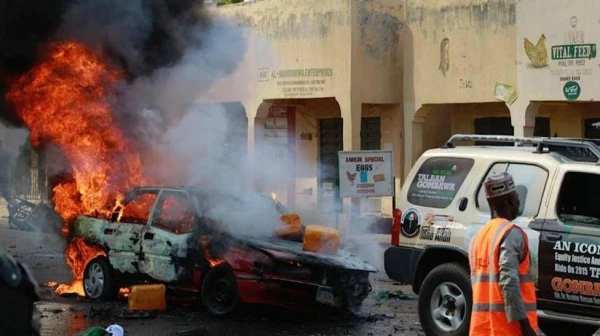
The charges primarily relate to activities in northern Nigeria, where the Boko Haram insurgency began 17 years ago. Since then, insecurity has spread across the West African nation, with rural communities particularly vulnerable to attacks by various militant groups and kidnapping gangs.
Security was exceptionally tight during the court session, with suspects transported in heavily guarded convoys under military, police, and intelligence supervision. International observers and human rights groups were present to monitor the proceedings.
Retired army major and security expert Bashir Galma described the trial as a "positive development" and "significant milestone" in Nigeria's counter-terrorism efforts.
"For years Nigerians have been complaining about why they keep these suspects [in custody] instead of making them face the law for what they are suspected of doing," Galma told the BBC. "This will bring some level of peace for people whose loved ones were killed or injured."
Galma noted that the trial helps dispel rumors that suspects are routinely released after arrest, but he also predicted that some defendants might be freed soon due to the lengthy periods they've already spent in detention—a factor judges are likely to consider.
The mass prosecution comes amid ongoing violence across Nigeria. Just one day after the trial began, gunmen killed at least 20 people in Niger state's Shiroro district, an area known for operations by both kidnapping gangs and Islamist militants.
This trial represents a departure from Nigeria's typical approach to terrorism cases, where very few suspects have faced prosecution despite thousands of deaths from bombings and attacks over the years. The proceedings are expected to continue in phases as the government seeks to demonstrate its commitment to addressing the nation's security crisis through legal channels.