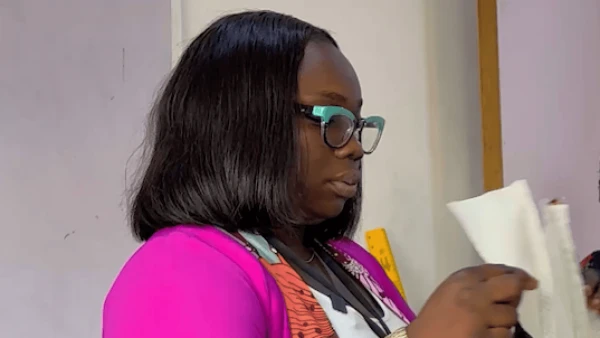
Aderayo Soile’s dream of building a thriving fashion brand in Nigeria’s bustling commercial hub of Lagos has hit a crippling roadblock—not competition, not funding shortages, but the country’s chronic power failures.
For Soile, the owner of a modest but growing clothing line, each blackout isn’t just an inconvenience; it’s a financial hemorrhage. Her sewing machines fall silent. Her fabric irons cool. Her customers vanish when the lights go out, leaving orders unfulfilled and revenue on the table. "I’ve lost at least 30% of my potential sales because of these constant power cuts," Soile laments, her frustration palpable. "I’ve spent thousands on generators, fuel, and repairs, but it’s a never-ending cycle."
Nigeria’s power grid, once a symbol of the nation’s industrial ambitions, has become a millstone around the necks of small businesses like hers. Despite being Africa’s largest economy, the country generates just over 4,000 megawatts of electricity for its 200 million people—a fraction of what’s needed. The result? Daily blackouts that can last for hours, forcing entrepreneurs to rely on costly, polluting diesel generators that eat into already slim profit margins.
Experts warn that the crisis is deepening. "The power sector’s collapse is a silent killer of small businesses," says Dr. Funmi Olayinka, an energy economist at the University of Lagos. "Without reliable electricity, Nigeria’s informal sector—responsible for 80% of non-oil employment—cannot grow. It’s a vicious cycle of poverty and stagnation."
Soile’s story is far from unique. Across Nigeria, millions of small business owners are trapped in a similar struggle, their growth stifled by a grid that fails them when they need it most. For now, Soile continues to fight, but she knows time—and electricity—are running out.
"I dream of the day my machines will hum without interruption, the day I won’t have to choose between paying my workers or buying fuel. That day feels farther away than ever."
Until Nigeria’s power crisis is resolved, dreams like Soile’s will remain just that—dreamers.